![[DOOR FLIES OPEN]](https://doorfliesopen.com/wp-content/uploads/2015/08/DFO-MC-Patch.png)

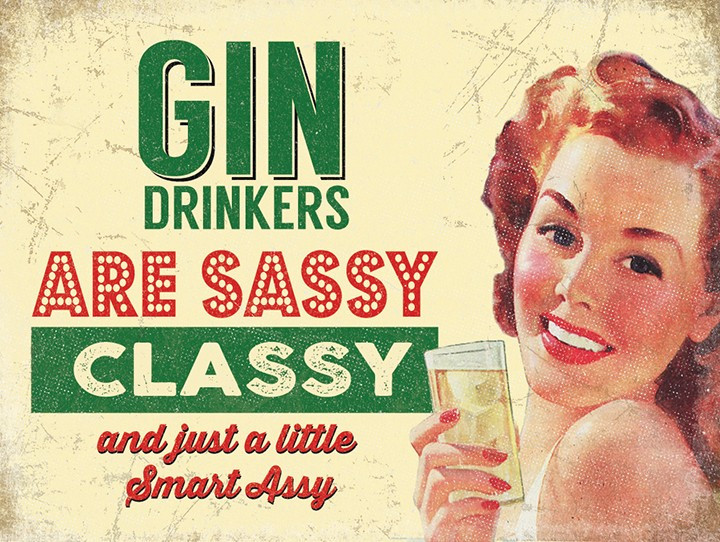
This is Dok, filling in for the Friday Open Thread. This has been an eventful week, US politics-wise, and while I was thinking of doing a piece about John Jay, early Chief Justice.
I’m not gonna do that. Instead, I’m going to repeat an unfounded rumor that the reason there’s no J St in DC is because the guy in charge of the street plan didn’t like John Jay. Actually, it’s because street signs in those days were in cursive, and a cursive I and cursive J look too much alike, though he was pretty hated after the Jay Treaty.

And now, I’m gonna talk about the first ever official international trade war. Do you like brandy? Or French wine?
“You Goddamn Crapaud Crouton Frogs! What kind of soap-dodging, clouf-booter, surrender monkeys are you?!”
-William of Orange, probably
So after his accession to the throne in 1688, William of Orange passed a series of tariffs on French goods, primarily brandy, while simultaneously encouraging domestic gin production. In 1690, the government broke the distilling trade union of the day (the London Distillers’ Guild), decreed that gin was tax free, and shit was ON. Chronic food shortages a century before combined with increased production methods and decreasing population growth contributed to low grain prices and higher wages. As a result, farmers could make a better profit on their grain by distilling it, and city residents had extra money in their pockets to spend on booze! Beer was familiar to England, hard liquor not so much. Consumption of hard liquor among the working classes skyrocketed. Gin was served by the pint, because, duh, that was the portion size for alcohol. What self-respecting person would pay decent money for something in a tiny glass?

Even worse than poor people getting super drunk, women were getting drunk too! There were at least two confirmed cases of women drinking so much gin that they spontaneously combusted. All that was left was a pile of ashes. Never mind that these ladies were old and fairly rich and had a bunch of relatives waiting to inherit and nothing around them was even singed and the human body only burns at about 1200 C, they were totally lushes who combusted due to excessive gin consumption. Gin became the devil drug of choice, much like opiods are today. There were legit cases of horrible crimes committed to obtain gin, (the most lurid being the case of Judith Defour, a single mother who killed her own toddler to sell the kid’s clothes for gin), but for the most part it was an overblown moral panic.

By 1721, it’s estimated that 25% of London’s citizen were engaged in producing gin. Eventually, over 2 million gallons a year, serving penny-drams to 7000 gin shops in London alone would be produced. At the peak of the gin craze, 2.2 gallons a year would be consumed by the average citizen (averaged over ALL ages, even that there drunk baby). By 1736, the government had decided that it’s previous protectionist trade policies encouraging the production of gin should be reversed, since it turns out that encouraging the majority of your population to be dead drunk most of the time is a bad idea. This did not go over well with a populace which was pretty happy with their tipsy state.

The first gin act mandated a large tax on gin sales, as well as a large fee in order to license gin selling premises. There were exactly 2 licenses ever taken out, and gin production and sales went underground. In a lot of ways, this was an early English version of prohibition. Gin quality went down, and was far more likely to be toxic. Snitches, who would get 5 pounds for turning in an untaxed gin seller, were subject to violent reprisals. A guy named Dudley came up with a sort of gin vending machine which made him rich. The ‘puss and mew’ machine was a sort of wooden cat carving that distilleries would put over a far window. The savvy consumer would speak his order, put his money in the cat’s mouth, and the dispenser would pour gin through a tube coming out the cat’s claw. It was impossible to see both sides of the transaction, which made it proof against the local equivalent of the ATF.

Peak consumption occured in 1743, and it wasn’t until 1751 that gin consumption really went into decline. In 1751, the second Gin Act came into effect. The artist William Hogarth created the most classic depiction of the evils of gin v. the virtues of beer in a piece supporting the Gin Act, known as ‘Beer Street and Gin Lane’. It seems that beer will make you paint masterpieces in the middle of the street, while gin is all fights and death and baby dropping.
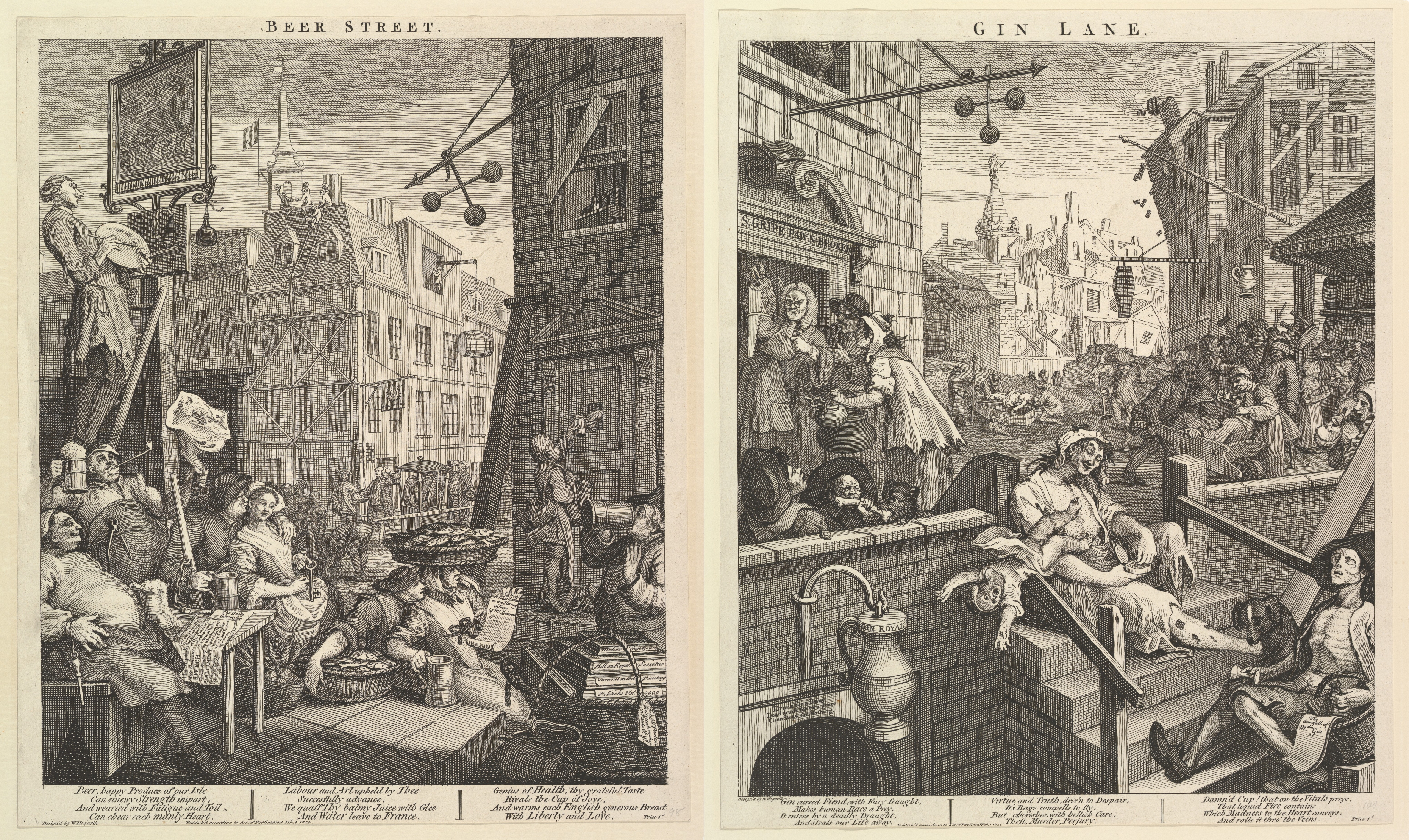
The Gin Act of 1751 was much more effective than its predecessor, with lower taxes and a more realistic licensing provision requiring gin to only be sold from properties worth at least 10 pounds/year. While this may have helped, a reversal of many of the initial causes of the Gin Craze likely played a larger role. The balances of power in Europe were shifting, and more importantly, grain prices finally recovered from their century long slump, meaning that distillation was no longer necessary as a means of garnering profit from cheap agricultural surpluses. The government actually engaged in REVERSE protectionism, banning the use of domestic grain in distillation.
This is probably a best case scenario for the results of the current US trade war, but meh, it’s Friday, drink up and Cheers!

































Leave a Reply
You must be logged in to post a comment.