Six years ago I moved from Colorado to North Carolina. We got to the new rental house ahead of our furniture, but we’d brought sleeping bags and a big pad to lay on, so that night my wife and I ‘camped’ in our new bedroom. These moments can be pretty romantic – new, empty environment full of potential, a big adventure, shared mild discomfort accepted for the promise of an exciting new life chapter. So, even though I’d been the one driving all day and my wife was already sound asleep, I was still oscillating between absent-mindedly scrolling on my phone and staring at the ceiling while I let my mind wander. In the dim light of my cell phone screen, I saw something move on the ceiling. I instinctively pointed my phone at it. What the light revealed was something I’d never heard of, let alone seen outside of the context of a movie in the Alien franchise.
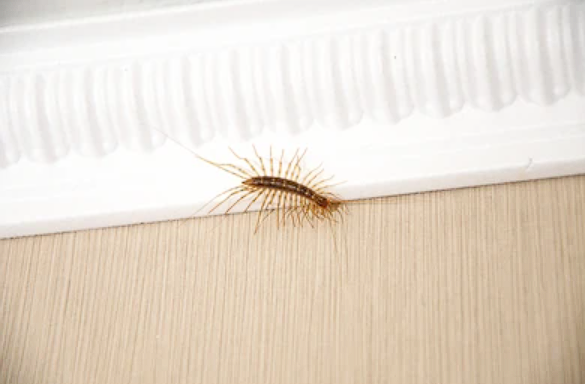
This is a house centipede, in case you happened to live in a high altitude desert tundra like I did. The internet will tell you that house centipedes exist throughout the United States, but in the 29 years of my life to that point I’d never heard of, let alone seen, one of these freaky things. Yet there it was, making its way across the popcorn ceiling of the bedroom where I was expecting to sleep each night for the oncoming months and years. I stood up, which woke Izzy. She asked me what was up. I said: “bug.” She looked where I was looking. “What the hell is that?” I heard her say. She’d never seen one either, and she was from rural Missouri, so this must’ve been some kind of cursed North Carolinian horror bug. I grabbed one of my shoes that sat amongst discarded clothes and travel stuff. The centipede stopped its forward march. Perhaps it knew what was coming, sensing the sudden noise and movement and thinking that if it stopped moving, it could prevent what was coming. It didn’t work. I slammed the shoe against the popcorn ceiling. Bits of drywall popcorn puffed from the impact and floated down to the wooden floor. Inside the dust cloud the corpse of the tiny chitinous beast, now flattened, fell. It fell in a comical way, floating as a feather would if dropped in midair, swaying back an forth as its insubstantial weight meandered towards the ground. It left a black ichor stain on the popcorn ceiling. I was never able to fully clean it.
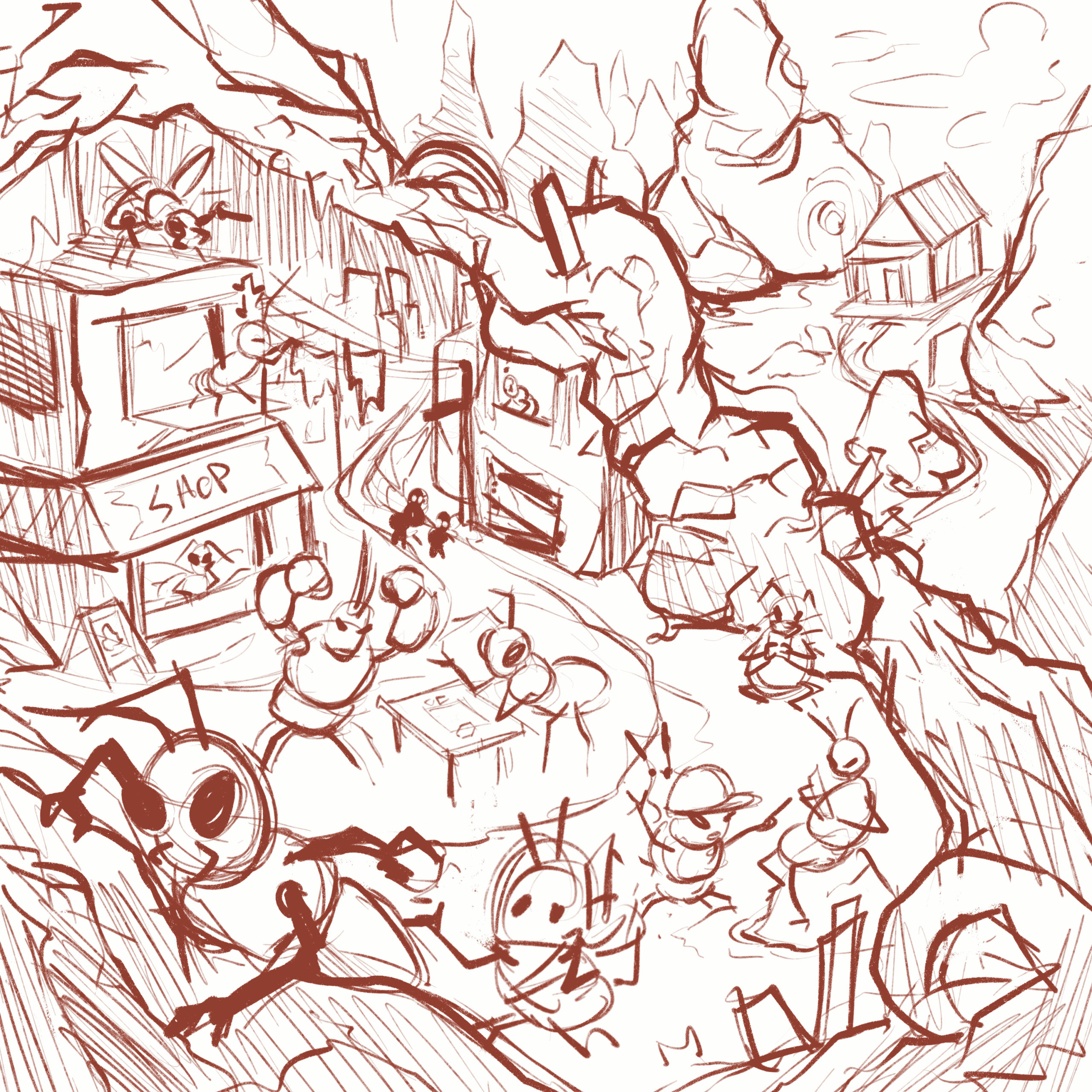
This wouldn’t be the last house centipede I’d have the displeasure of spotting in this house. The home sat about 20 yards from a thicket that ran the length of the neighborhood, obscuring a few small ponds and a creek. The house itself was fairly old as well, and had a larger general pest problem that I’d spend years combating. We moved in only 6 months prior to the beginning of the Covid-19 pandemic, at which point I switched permanently to remote work – which meant that I suddenly began spending significantly more time inside, and thus more time spotting creepy crawlies in the window wells, the nooks and crannies of the kitchen, bathrooms, and basement, the undisturbed remote corners of the ceiling. My office was in a back corner room of the basement with no windows and a closet which contained the sump pump. For the entirety of my time living there, I’d observe (against my will) many dramatic scenes of bug life. A spider catching a baby house centipede in its web; a beetle snacking on a dead fly; ants crawling over the corpse of an exhausted wasp. I hated this. But I had no choice than to see it. And slowly over the course of several months of working in that office, I resolved to make art from it in the best way I knew how – a board game. I wanted to encapsulate the violent, miniature life experiences I’d observed and give players agency to embody the creepy crawly combatants. I’d spend the next five years iterating on this concept.
Approach 1 – Baby’s First Skirmish Game
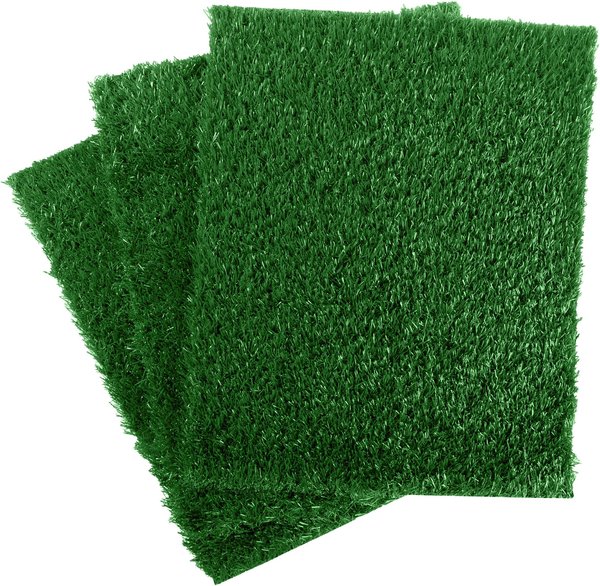
I love making skirmish games but they can feel too similar if I don’t pick a challenge to design toward. For this one, I wanted to make a skirmish game that even my friend’s five year old could play. To make it appealing, I wanted to keep the number of rules very low and the presentation nice and friendly. First, the presentation. Instead of normal board game components, I went online and found some very cheap and small plastic bug toys of different species: rubber house flies, beetles, and wasps, plastic ants, spiders, and centipedes. Instead of a segmented board with lines and rules, I chose a one foot by two foot strip of plastic grass. Truthfully, I used this because it came with a porch potty kit I’d bought for my dog to use in our old apartment, but he hated it and then I moved it halfway across a continent instead of throwing it away. Might as well put it to use, right? Finally, instead of plastic buildings or rocks or something, I made the game itself kind of silly and collaborative by using household trash be the obstacles on the map. Players could grab a crumpled up tissue, an empty soda can, and an empty box of macaroni – or whatever small trash they have – and place it on the plastic grass.

Players assemble their trash, select a species to play as, and place their bug toys on their side. To drive the game forward, players draw two cards each turn, add them together, and then use that number to move and attack. If you draw a 6 and a 5, you have 11 points to split between movement and attack. Move an ant three inches, another one two inches, deal four damage with one and two damage with the other, and your turn is done. It was a little simple, but it had a certain appeal and my buddy’s son enjoyed playtesting it. Given that I had no idea how I’d publish this thing, I called it done and moved on.
Approach 2 – A Turn-Based RTS, Set In My House
After the plastic bug toy game, I spent time working on other board game projects with my business partner. We completed our chosen project (The Power Generation) and were looking for ideas on what to do next, and I thought back to that bug skirmish idea. I didn’t feel like I’d executed on the concept to the fullest of its potential. Why not give it another shot, as a fully realized board game? I’d explore that question for a year.
This version of the game took place on a top-down map which was broken into several sections. The central board was a location in my house – the kitchen, the basement, the tool shed, etc. Then players each placed their starting map segment against that central map, lining up the connection points so that all the subsections on the map connected properly.
Players got their starting map segment by selecting a species, which came with their own custom map segment, player aid, army pieces, buildings, and action cubes.
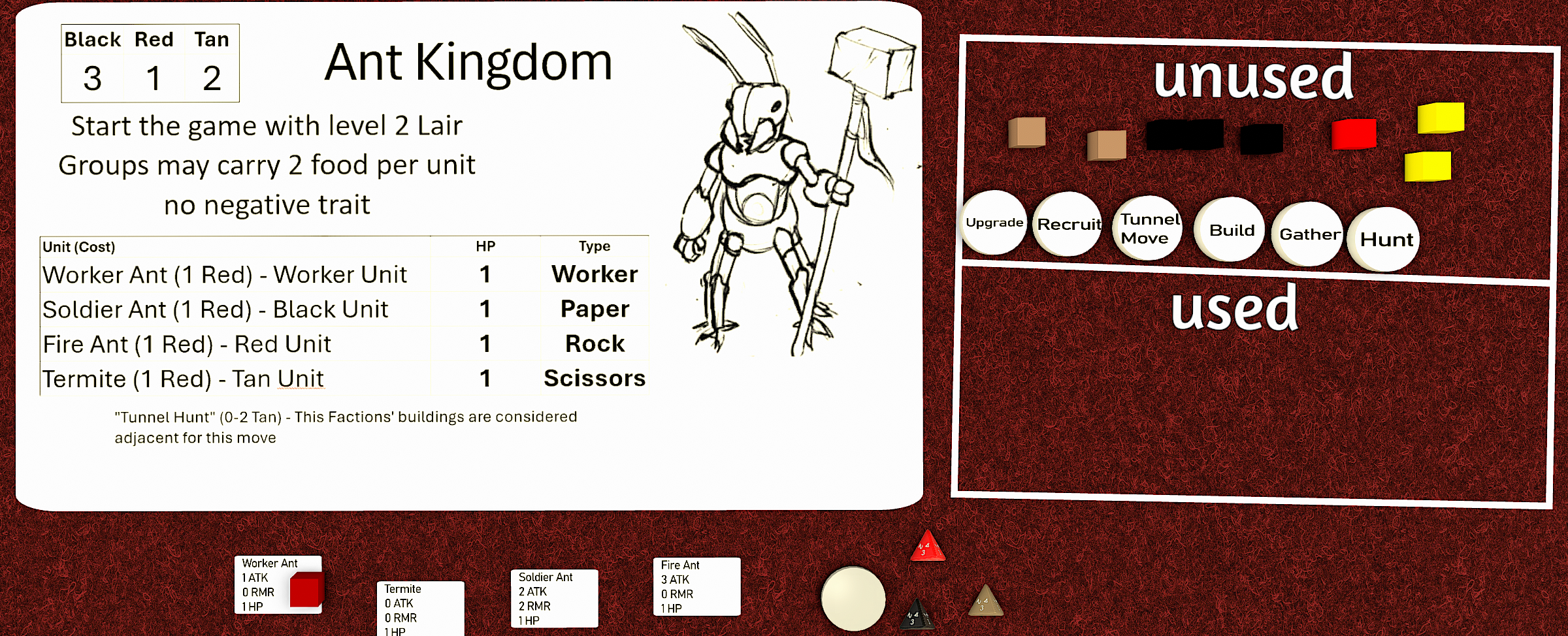
Four types of units, four types of action cubes, six hidden orders, three building types, custom placeable build spots, six bug species with asymmetrical setups and powers, three maps just for a two player match… This thing was a lot. At its core, it was a hidden orders wargame that somewhat effectively captured the experience of playing Starcraft or Warcraft 3. But it didn’t square with my game design philosophy of distillation, where the goal is to take a complex experience and serve it in a more simplified way without sacrificing the flavor. Instead, we were giving players a maximalist experience. Yes, it was fun and executed on the theme to its fullest. No, it wasn’t the right game.
Approach 3 – Grid-Based Skirmish Game
Back to the drawing board. What if we kept hidden orders, ditched the action cube management system, and instead of having four unit types, we did three hero units and a bunch of foot soldiers? I conceptualized this as Captains and minions. Captains get orders and are immortal, minions can only move then attack and only have 1hp. That’s a simplifier. What if you can’t decide where each minion goes, but you set a target for them to walk towards at the beginning of each turn? That reduces the decision space, and mimics the mechanic of RTS games where you can set a spawn point from your barracks that the units will walk towards as soon as they’re built. What about playing on a grid instead of a map with spaces? That’ll declutter the board – we often had tons of little unit cubes squished into a little map space, but on a grid where nothing is allowed to overlap, we could cut that down.
All of these ideas felt like solid ways to address the problems of the previous iteration. Of course, this isn’t the last iteration, so there were some issues!
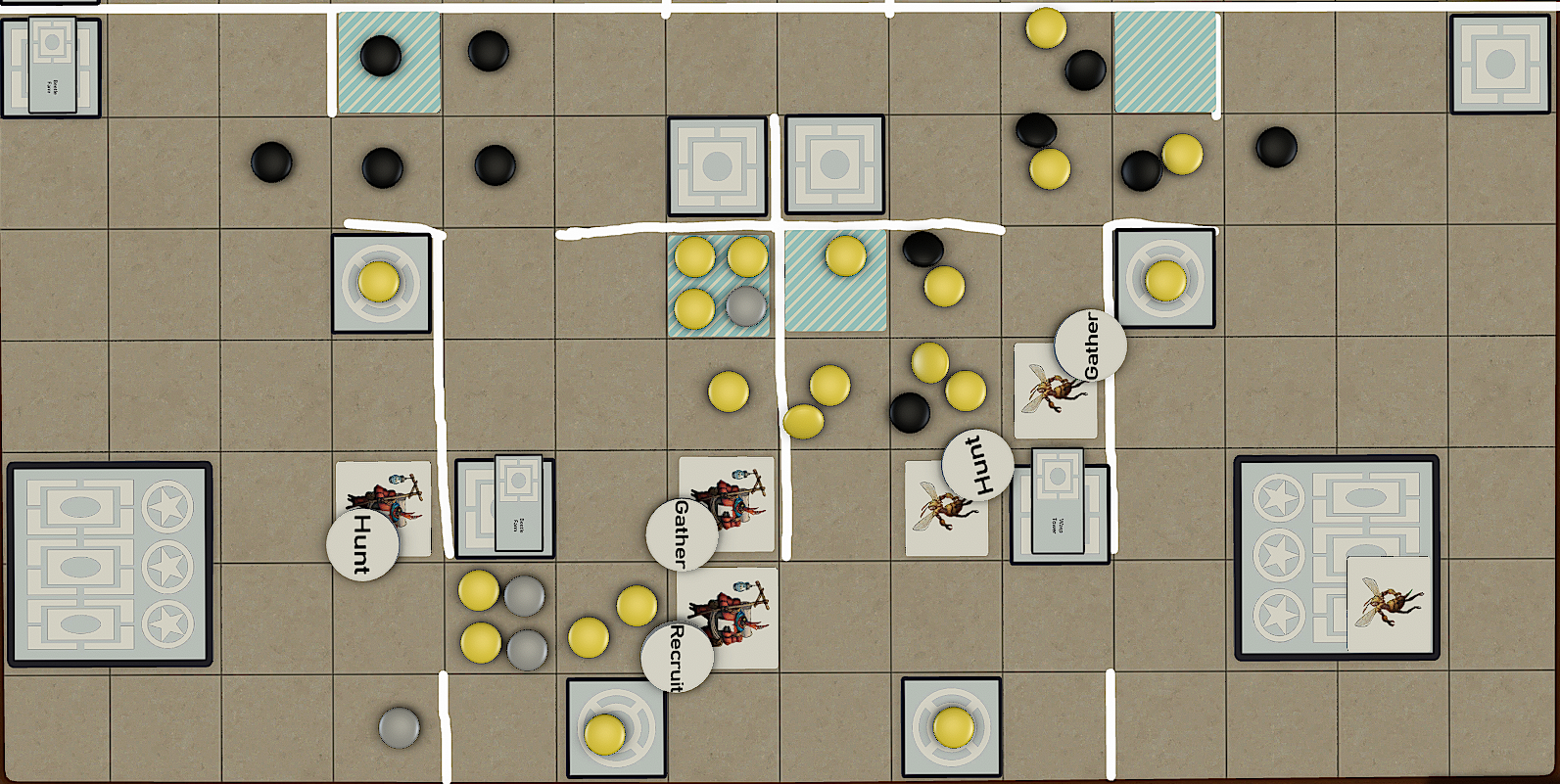
Don’t get me wrong, this game was definitely less complex. It was easier to pick up and play. The decision space was smaller and easier to manage. But there were still issues – for one, the new form factor led to faster conflict, which led me to introduce the idea of neutral minions that would slow player progress towards each other.
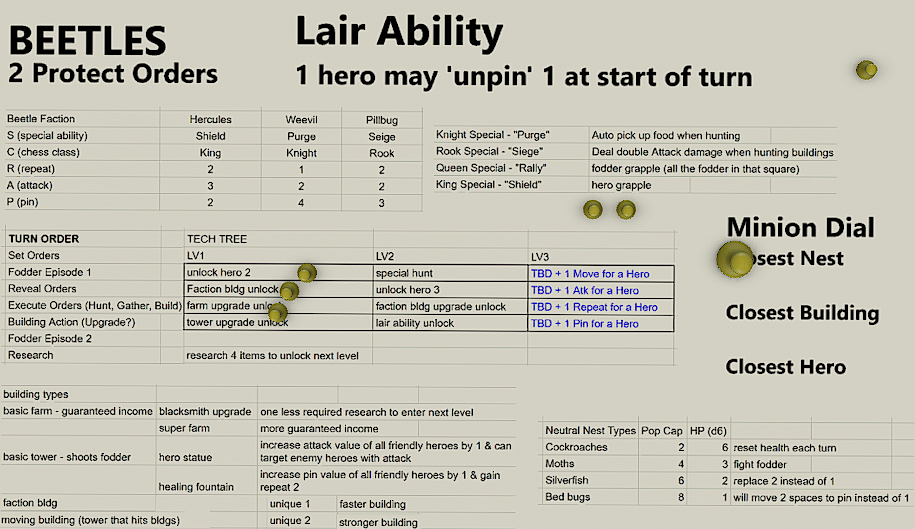
Another couple issues cropped up in this iteration, too. The small tech tree that was added to slow down the start of the game felt tacked on. The minion dial felt unnecessary and caused a snake of units across the map that may have looked like an ant trail, but caused uncomfortable moments when trying to change direction and engage in combat. Also, I implemented multiple species of neutral minions – this was a mistake, as now we needed a chart to understand their different behaviors and stats. Lastly, this grid based gameplay was too similar to my team’s previous game, Notebook Nations. I’d taken us this direction to help execute the concept of playing inside the floorplan of a house, but it ended up as a boxy, chess-like affair that didn’t feel the way I wanted it to. Sigh, maybe this thing will never get on the right path. Every game designer has that one game they return to over and over, applying new lessons and tricks they’ve picked up over time, but never finishing. Maybe this was mine.
Approach 4 – Changing the Setting
At some point I determined that I was approaching this thing differently than the way I’ve approached every other game I’ve worked on. Usually I come up with a setting, tell a story, create characters and lore and history and cultures, and then set a game in that world. This time, I wanted to capture the fun of imagining what bugs were doing in my house. I resolved to change the setting. The concept was boxing me in and preventing my imagination from breathing, plus it was forcing the game to reconcile with ‘sensible’ floor plan maps, with flat motivations for the factions. Instead, what if I set the game in a dumpster?
I did some soul searching in the way I do – watching youtube videos about other people working on their own creative projects. A video of a guy building an interesting world caught my eye, during which he created a cross-section illustration of one of his environments.
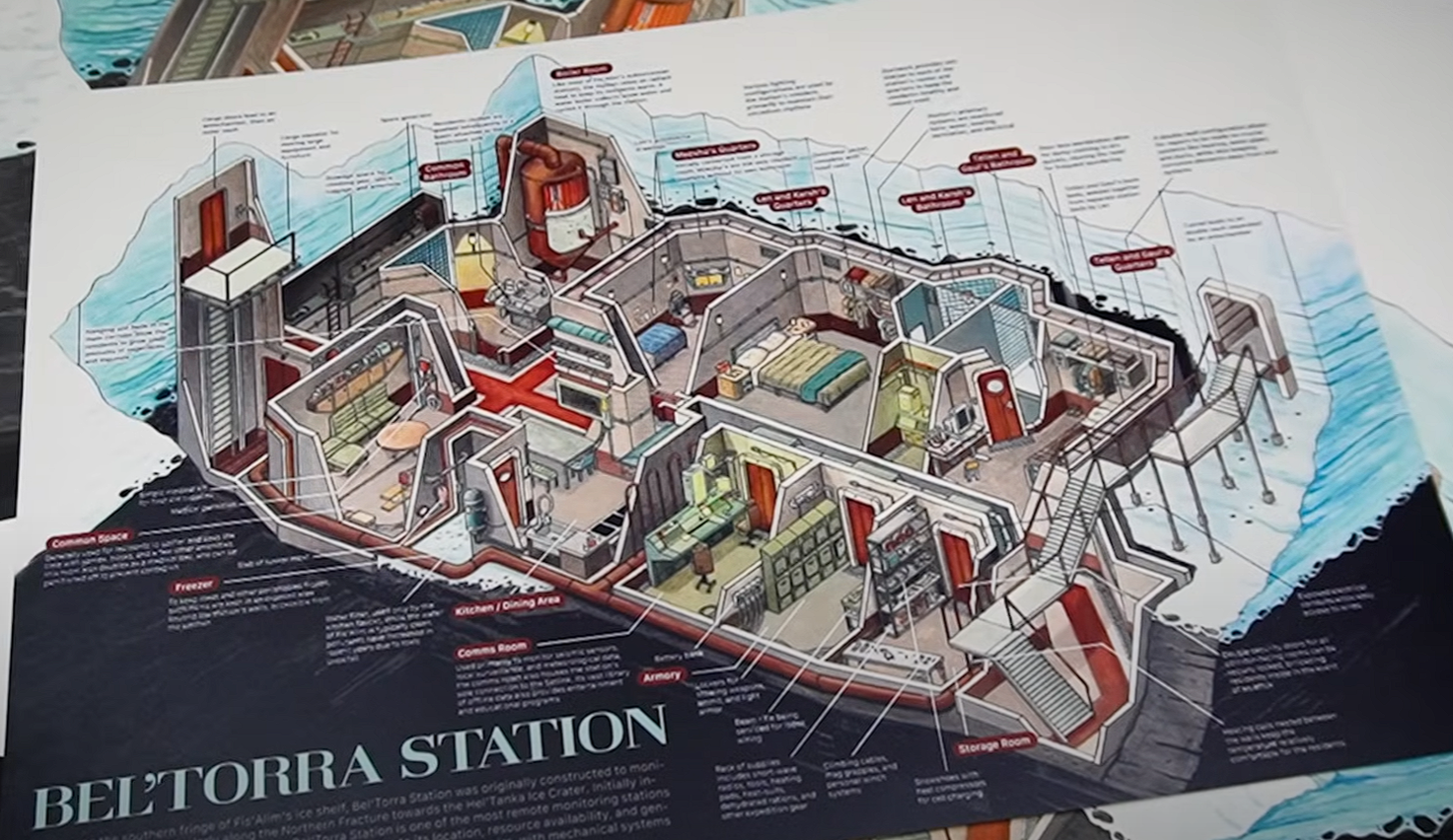
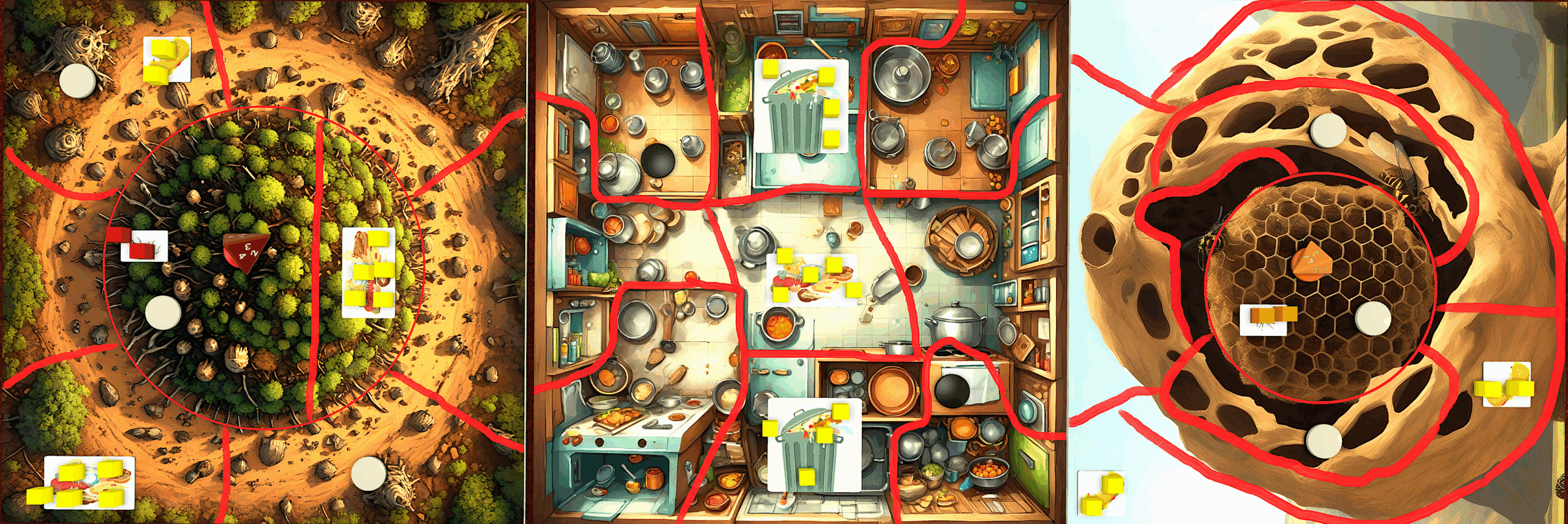
“That would make a really cool map for a board game,” I thought. And then after I banged my head against my desk for 20 minutes, I got to work. I’m not a visual artist, but I’m a decent thief. I looked up a bunch of examples of cross-section illustrations, found one I thought could work, and drew a bunch of lines on it to turn it into a game board. This was the result:
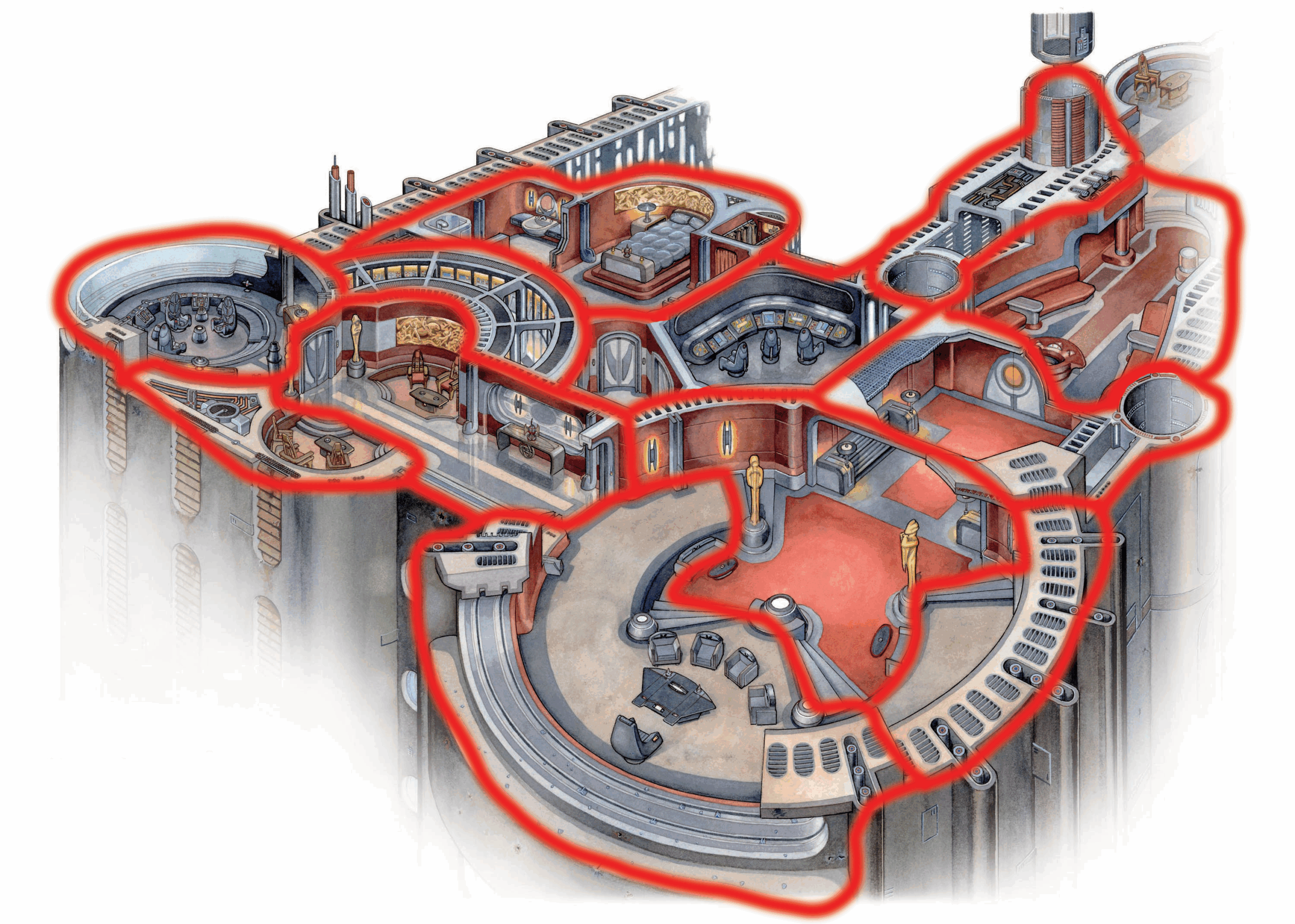
Yes, this is Palpatine’s office from the Star Wars prequels. No, I will not apologize for scribbling all over it and using it to test my board game about sentient bugs. This new approach to the game’s presentation also helped me conceptualize better ways to play. I wanted to keep the minions and Captains concepts, and with larger regions on the map we could avoid the cluttered zones of the 2nd iteration.
I playtested this version for about a month. Feedback revolved around gameplay being unfocused, in part because player motivations still weren’t there. I’d also been hearing from my artist that it would be very challenging to do a cross-section that could still function as a board game map, since the forced perspective causes rooms at the bottom to take up much more space than rooms at the top, and we want players to start in the corners of the map.
Maybe it wasn’t meant to be. No matter what I tried, this game’s flaws wouldn’t iron out. I did feel like it was getting better with each iteration, and if I kept at it then maybe someday it’d work out, but this process had been a lot. For a few days, I surrendered to despair. Then I got back to work.
Approach 5 – Motivation and Form
One of the biggest gameplay-related challenges for Bug Game was the lack of player motivation. We’d given players tools to build outposts, kill neutral mobs, and fight each other, then tied victory points to each action type, but ‘earn VP’ wasn’t enough motivation to encourage creativity. I looked to the theme for answers. The goal was to have a turf war between warring factions of bugs inside a dumpster, right? Well, why are they at war?
This line of thinking brought me to a new idea. For some time I’d been thinking that the game needed a second phase. The standard gameplay seemed fine, since iterating on it hadn’t brought about any meaningful change to the game feel and, to be honest, the construction just felt solid. So what if we introduced a phase that took place between rounds of gameplay? That could give us development room to reinforce motivation. It came to me fairly quickly once I started looking for it – I wanted a politics phase, where control of the map would allow players to manipulate the board state. The game used a series of basic interaction rules, but we could change them using the politics system, and it would be like rewriting the rules of the game in between each round of action! For example, usually neutral mobs are sitting ducks. But you could use the politics phase and spend some influence to make the neutral mobs hostile for a turn! There were a lot of little opportunities within the existing system to tweak something using the politics phase that could help players in certain situations. The best way to tie that to gameplay would be to make it so that you change certain rules when you control certain areas. Now there was motivation to move around the map and vie for control of certain spots. I also added special single use items that could be purchased with influence, so players would have motivation to spread out, since the way to gain influence is to control more areas.
Alright, that solves one of the major issues. The second revolved around the map. These amorphous blob spaces were going to be a serious challenge to balance. But going back to a grid didn’t seem like the right choice either. Well, there was one more tried and true method we hadn’t attempted yet, and it happens to be one of my favorites: the hex grid.
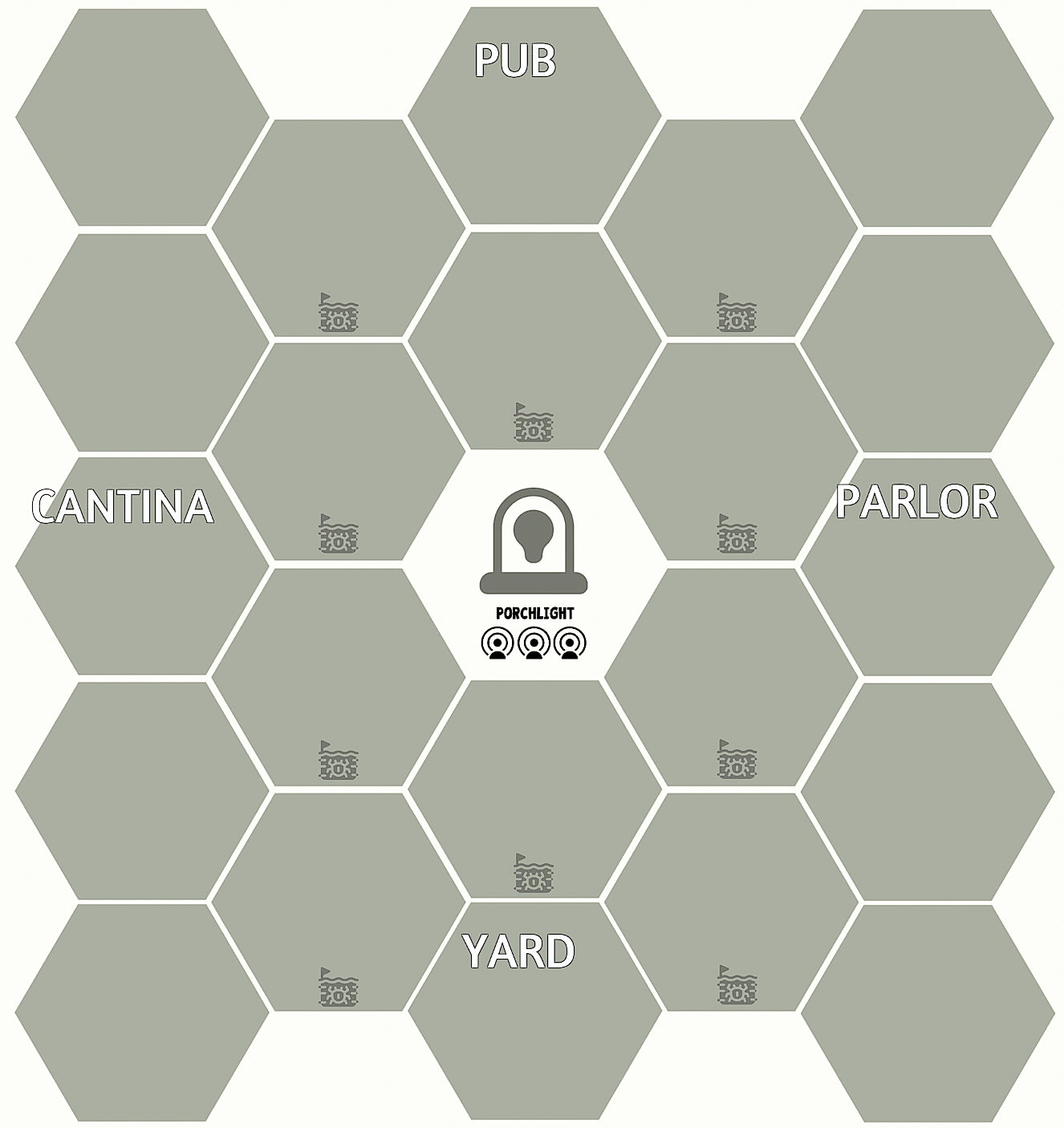
The biggest advantage to a symmetrical hex grid is that you don’t have to think much about balance on the board itself. All the points of interest are equidistant. You still gotta balance what each point of interest does, of course, but at least placement isn’t a challenge. To mitigate the static nature of a board like this, we made the four ‘districts’ (pub, parlor, cantina, yard) a placeable tile, so we could design 8 or 12 options and allow players to either randomly or intentionally place four onto these spots during setup. Each of these districts could affect a different game rule, represented on the politics board:
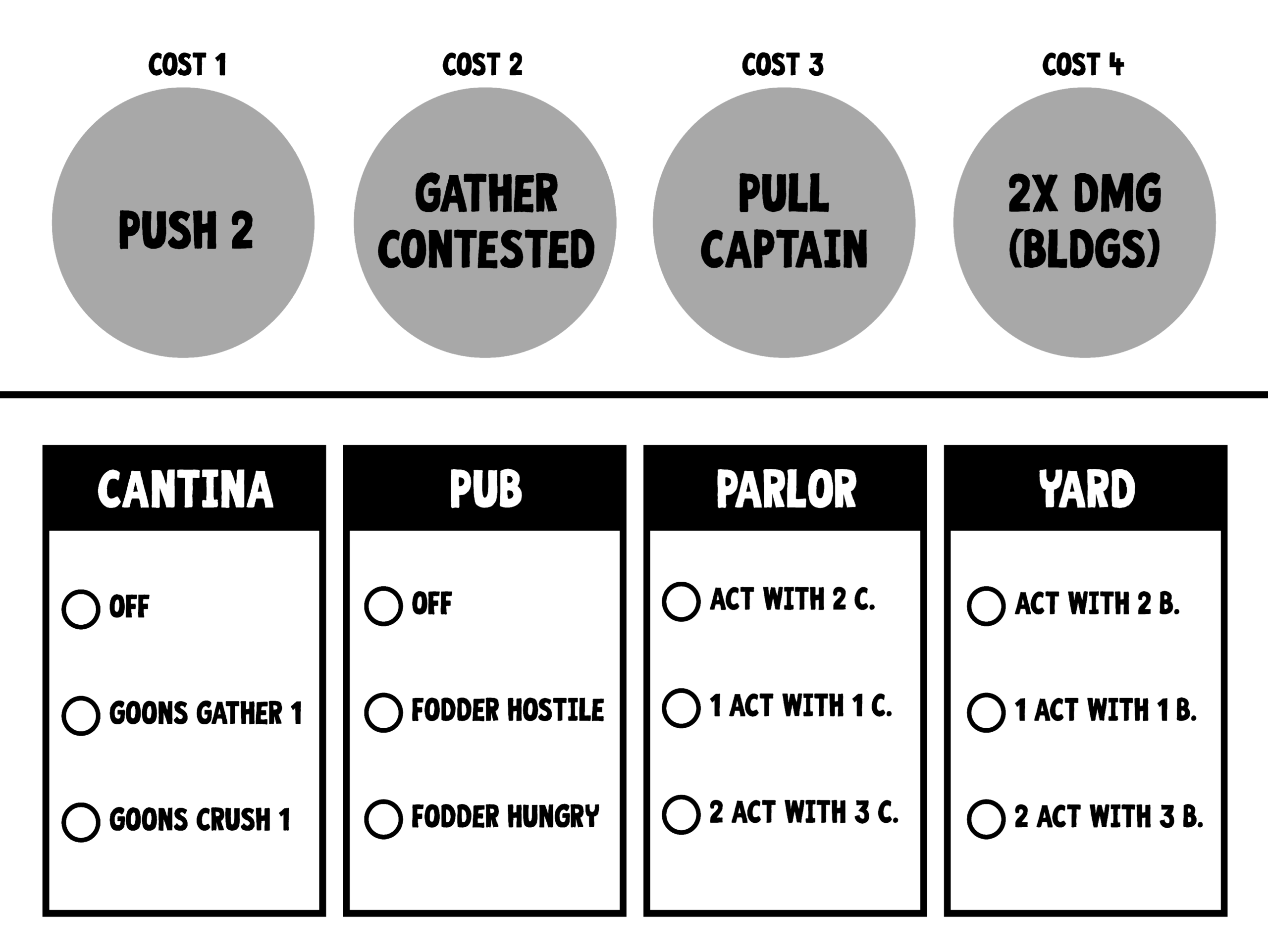
Also included on this politics board are four special ability types, which have tokens to represent them that players can purchase and take for use in the next round. Once players go another round on the board, all these rules changes and special ability tokens are put back to normal at the start of the new politics phase, where it all happens again. Not a bad game loop, I think!
Initial playtests were much more positive and promising. Finally, we could tackle art direction! The game had morphed from taking place inside a dumpster to taking place at a garbage dump in order to help with dynamic scale and worldbuilding (there’s only so much you can do at the smaller scale), so my artist and I had plenty of work ahead of us.
But that’s for another post. I plan to do a series of dev logs on this game, something I regretfully failed to do during Notebook Nations. If my health and availability hold out, I’d like to document all kinds of decisions and reasoning that go into creating a finished game.
Bye for now,
Alex

Wow, that’s impressive! So much goes into this! Thank you for sharing your process. It makes me appreciate games so much more knowing how much effort goes into them.
Thank you! I love this process but it is a doozy every time.
That’s neat that you moved it from EverBank Stadium to encompass the entire AFC South.
It’s very cool to see the thought process behind how games are made
Thanks! I was worried this would be way too boring for people to read, super glad you found some value in it
This is some great stuff; you’re much too diligent for this world. Sincerely hope you replace Elon as our new overlord.
I will do my best to rule with a ketamine steadied hand
caitlin clark: i have been injured for nearly a month. what to do. got to make up for lost time
caitlin clark in 45 seconds:
https://www.reddit.com/r/wnba/comments/1lbh3h1/caitlin_clark_with_three_3s_in_less_than_45/
Jesus, she puts on a show.
even got a tech today, too. complete showman…er, showwoman. if steph and sheed had a baby
me, first 40 years of my life: hey, i found one house centipede
me, last 3 years: wtf
me, last 3 days: thats a body count of 2, i even bug bombed the house back in may. wtf
Fuck those things, I don’t care that they’re beneficial they freak me out
Found a cool:
🇺🇸
Very interesting read. I never thought about how much goes into developing a board game, and it was cool to read through all the “failed” ideas a developer has to go through to get to a finished product.
My own solution to bugs in the house is to let the spiders in the house just do their thing, but Mrs. Horatio is violently opposed to this strategy.
Team Spider!
They are our allies in the fight against all other bugs, especially mosquitoes
Only problem with spiders is their love of me.
I like bees and/or ladybugs.
And dragonflies, they are hands down the best insects.
I love game design because its such a great crossover of art and science. Plus its basically a never ending journey of problem solving and iteration
You have a great set of problem solving skills Alex. Well done and an interesting read.
Not related but…
Probably cruising around at about a 5, as my afternoon plans definitely involve a couch, a book, and likely a nap.
Why yes, it is the 16th straight (not even kidding) Saturday in CT where it is raining and colder than usual.
I don’t even know wtf #7 is doing…
Playing the bagpipes?
Hey thanks! I was worried this one might be too dry