![[DOOR FLIES OPEN]](https://doorfliesopen.com/wp-content/uploads/2015/08/DFO-MC-Patch.png)

Most of the world uses the metric system nowadays, and even in the US metric is mostly used in science and engineering. We also don’t have as much use for such quaint measurements as fathoms, pecks, or cubits. I can’t remember the last time I was in an automobile where the speedometer was denominated in furlongs/fortnight! To help a modern audience understand past classic literature, I’ve taken the liberty of translating some of these works into metric.
Ray Bradbury: “Celcius 232.78”
This book can be doubly difficult for modern audiences to understand, as it refers to burning books made out of paper, a sort of substance made from pressing together shreds of dead trees. These sorts of books burned at a much lower temperature than modern e-books, and the fumes were less toxic than setting your Kindle on fire.

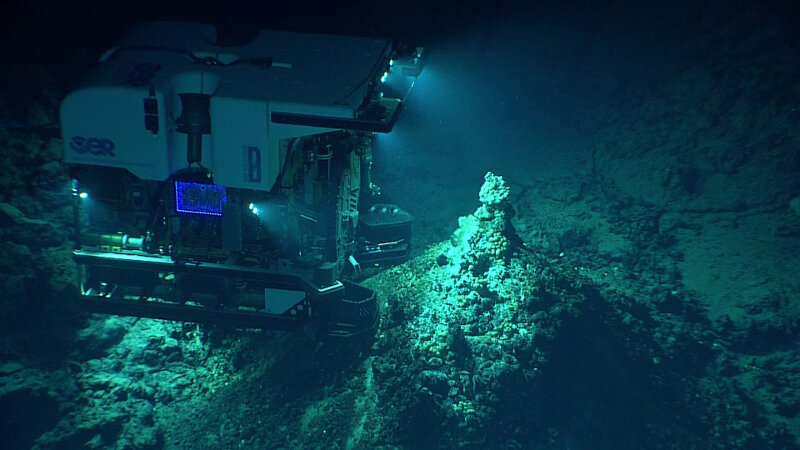
Jules Verne: “1.1E8 Kilometers Under the Sea”
This is a book about exploring the ocean in a non-nuclear, non-automated submersible. The distance in the title is actually the distanced traversed, the deepest they go is 16 km, which is still deeper than the Challenger Deep, which is the deepest point in the ocean at 11.022 km. The book is notable for the health of the reef ecosystems in an era before warming oceans.
Shakespeare: “The Merchant of Venice”
While not explicitly in the title, this play revolves both around being anti-Semitic and the notion of 0.454 kgs of flesh as a penalty for non-payment of a debt.
Robert Frost: “Stopping by Woods on a Snowy Evening”
A reminder not to get too distracted when travelling in the winter. It may be tempting to stop and look around, but you should keep moving when you “have promises to keep, and kilometers to go before I sleep, kilometers to go before I sleep”






Leave a Reply
You must be logged in to post a comment.