![[DOOR FLIES OPEN]](https://doorfliesopen.com/wp-content/uploads/2015/08/DFO-MC-Patch.png)

Greetings from the safety of the gated compound, gentlemen and others! I do apologize for being absent from the proceedings here over the past two weeks – my recent journey to the coltan mines in the Congo Free State saw me return to Rhodesia with scarlet fever (the young children mining the coltan there are always passing along vile diseases!), and I have largely been confined to my sleeping quarters until now. However, I am pleased to report that I have since regained my strength, and am therefore able to offer a thorough evaluation of the chances of one of the British Empire’s most prized possessions in the upcoming Slave LaboUr Cup! Do put on your reading glasses for this piece!
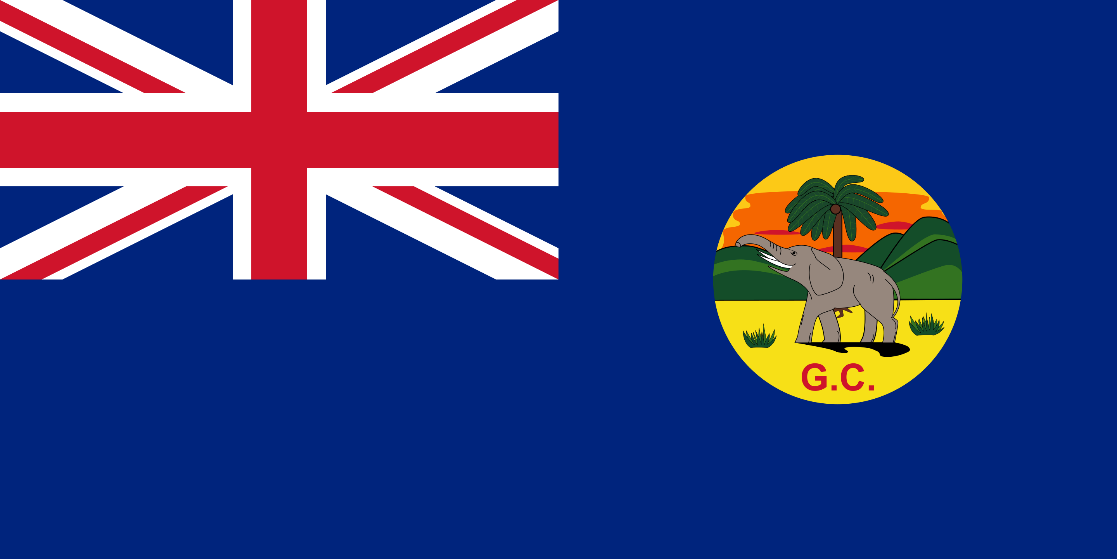
The prized possession that I am referring to is, of course, the Gold Coast colony (referring to this colony as Ghana is as unforgiveable as referring to Rhodesia as Zimbabwe!). This colony, which occupies a lovely spot along the West African Riviera (or WAR), had been occupied by many different groups of uncooperative, cantankerous, and rather uncivilized individuals prior to the 19th century. In 1821, our dear colleagues from old Blighty finally established a permanent presence on the Gold Coast’s blood-stained shores, and brought order and prosperity to a region that had long suffered from disfunction and mismanagement of valuable natural resources. The development of the colony’s natural resources also led to the construction of significant transport infrastructure (all completed using willing local labourers – what do you say to that, statue topplers?), which is still in use in many parts of the country today. Given all of these successes, it is no surprise that many of my Rhodesian colleagues insist that the “G.C.” on the colony flag actually refers to the jurisdiction’s standing as the “greatest colony” in the British Empire during most of the 19th and 20th centuries.
Unfortunately, this period of prosperity ended in 1957, when nationalists in the colony became restless and insisted that they were ready to govern themselves. In an unfortunate act of weakness from the perspective of the Empire, power was ceded to the nationalists, who promptly adopted the modern (and incorrect) name of the nation. Since formally leaving the Empire, “Ghana” has achieved a human development index that rates 133rd in the world (just below the exemplary nations of Nicaragua and Bangladesh), and has become a haven for cybercrime and trafficking of narcotics. Seems that grass isn’t always greener on the other side of the barbed wire fence!
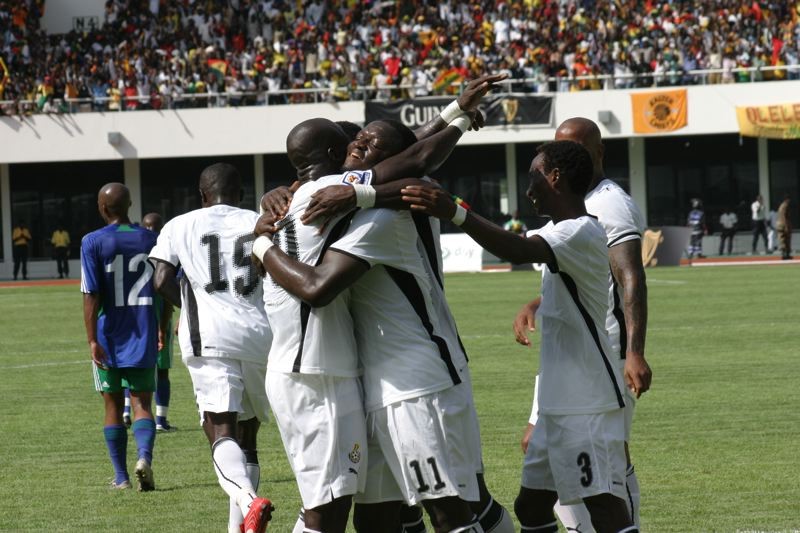
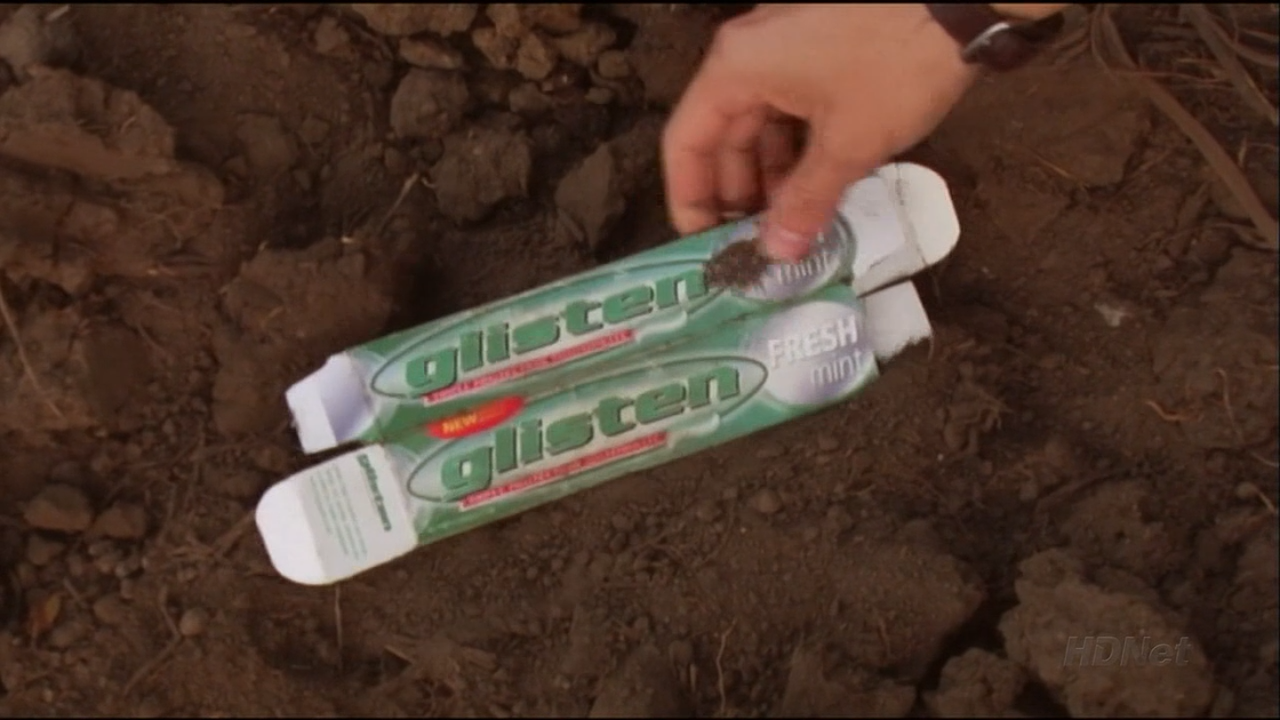
Now, the Gold Coast footballing squadron (known as the Black Stars) has historically been one of the finest sides in Africa. Thanks to British instruction and guidance, the team has managed to win the African Euros four times (1963, 1965, 1978, and 1982), and has qualified for almost every edition of the World Cup since 2006. Their most successful performance in the World Cup was in 2010, when they were ultimately dispatched by Uruguay in the quarter-finals (for context, no African team has ever made it past this stage). While the Gold Coasters were the better side in that contest, they were no match for Colgate spokesman Luis Suárez, who followed his goalkeeper’s lead and used his hands to prevent a sure goal. A penalty was awarded, the Gold Coast striker smashed his shot against the bar, and the rest, as they say, is history (unless it gets revised later!). A full account of that historic match can be found here:
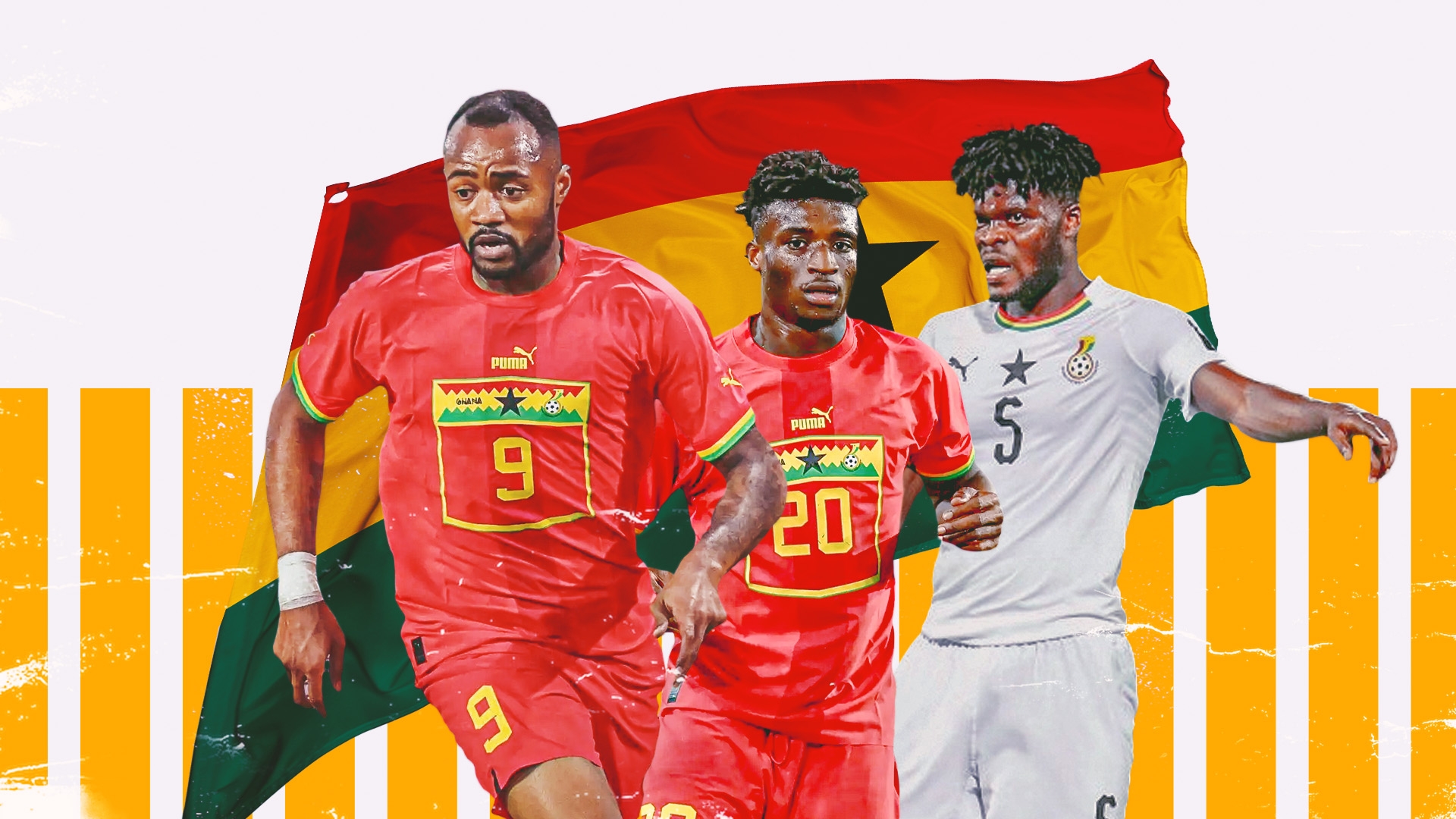
This year’s Gold Coast squadron is one of the weakest sides in recent memory (for a colony with such a proud history, it is inconceivable that they could ever produce such a weak team!). The talisman of the squad is undoubtedly King’s African Water Pistol Marksman Thomas Partey, who is an excellent box-to-box midfielder. Like his club colleague Granit Xhaka, he often suffers from delusions of grandeur when he is having a good game, and this is exemplified by his wasteful attempts on goal in many cases (my manservant often remarks that he has a better chance of hitting a celestial body in the Kuiper Belt with a shot than he does at actually hitting the target most of the time). Nevertheless, some of his efforts do connect, and they are indeed spectacular:
Other notable members of the squadron include Jordan Ayew (Crystal Meth Palace), André Ayew (playing for a Qatari club called Al-Sadd, which is also how the migrant workers in that country feel most of the time), Tariq Lamptey (Brighton), and recent Spanish turncoat Iñaki Williams (Athletic Bilbao). Most of the other members of the squad also play in Europe, but do not appear to have made a significant mark for their respective clubs. The only player on the squad who is from the Gold Coast domestic league is Daniel Afriyie, who plays for a club called “Hearts of Oak”. If the rest of his limbs are made of balsa wood, he may not be spending much time on the pitch.
The Gold Coasters are in Group H with the likes of Ronaldo’s Fightin’ Sardines (Portugal), Son Heung-Min’s Starcraft Clan (South Korea), and the hated Uruguayans. Let’s ponder the outcomes of each of their matches against these sides:
11/24 vs. Ronaldo’s Fightin’ Sardines (19:00 “Arabian Standard Time”): While old Cristiano is not the attacking threat that he once was, this old empire builder still believes in the potency of the Portuguese way as a whole (if you don’t believe me, just ask the Indigenous peoples of the Amazon rainforest!). The sardines are of exceptionally high quality this time around, and I am expecting that they will flail their way to a 3-1 victory over the Black Stars. Goals for the sardines will come from Ronaldo himself (likely from the penalty spot after some attempted genocide in the box), as well as from Bernardo Silva and the ever-mercurial João Felix. Partey will score the lone marker for the Gold Coast with a 35-yard rocket from the middle of the pitch (it will have been his 12th attempt on goal at that point in the match).
11/28 vs. Son Heung-Min’s Starcraft Clan (16:00 “Arabian Standard Time”): Since the clan will not have access to their normal high-speed internet connection (and they don’t have any top players aside from old Son himself), the Gold Coasters should colonize their way through the clan without too much trouble. Having said that, these clan members usually work well together, so I anticipate that this match will be low scoring. The Gold Coasters will come away with a 1-0 victory here, with Jordan Ayew scoring in the 89th minute.
12/2 vs. the Biters of Montevideo (18:00 “Arabian Standard Time”): The Empire never truly forgives or forgets. This is where our beloved Gold Coasters finally get their revenge for what happened in 2010! While the Biters are always a tough side to break down, the squad this year does not have El Maestro Tabárez in the dugout, and it is difficult to know whether new manager Diego Alonso will be able to manage his players with the same degree of success. I predict that this match finishes in a 1-0 victory that favours the Gold Coasters, with newcomer Iñaki Williams running rampant through the Uruguayan backline like a Spanish conquistador on the banks of the Río de la Plata in the 18th century. There will be numerous cards of more than one colour in this match. Make sure you have a springbok sandwich to enjoy as you witness the carnage!
If my predicted outcomes come true, this means that the Gold Coasters will once again make it to the knockout stages. Unfortunately, if they finished second in their group, they will likely have to play Brazil in the Round of 16. The Gold Coasters will be saying adeus if that match happens.
My manservant has just informed me that Indigenous peoples have just discovered emeralds in their encampment ten furlongs from here. Don’t they know that those emeralds belong to Rhodesia?!? I must resume my work at once. Godspeed!









Leave a Reply
You must be logged in to post a comment.