![[DOOR FLIES OPEN]](https://doorfliesopen.com/wp-content/uploads/2015/08/DFO-MC-Patch.png)

Hi everyone,
Welcome to [DFO]’s annual Super Bowl tradition – Hate Week.
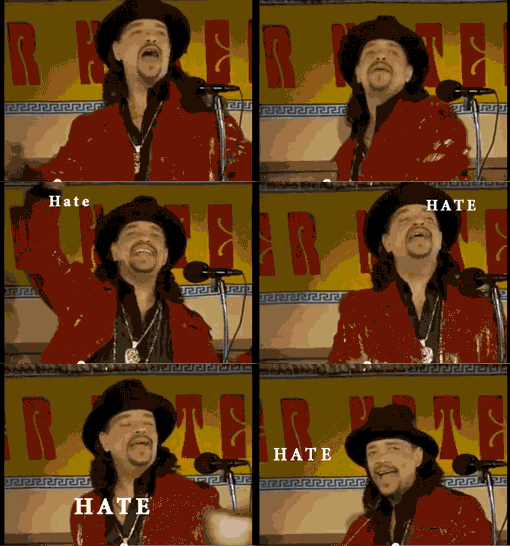
This is the annual airing of grievances we have about life, football, society… really, anything is in-bounds outside of the usual hot buttons. Consider the comments section a safe space to let your feelings on a topic be known.
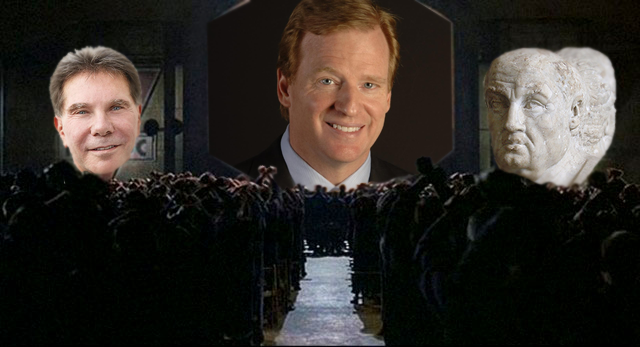
Now, for each day of Hate Week there is a theme that I will introduce – something that has particularly irked me over the course of the year, or just something that really caught my attention. As always, I am assisted in the photoshop department by fellow hater and Despiser of All Things Spanos, Low Commander. He is the originator of the Hate Week graphic, as amended from “1984”
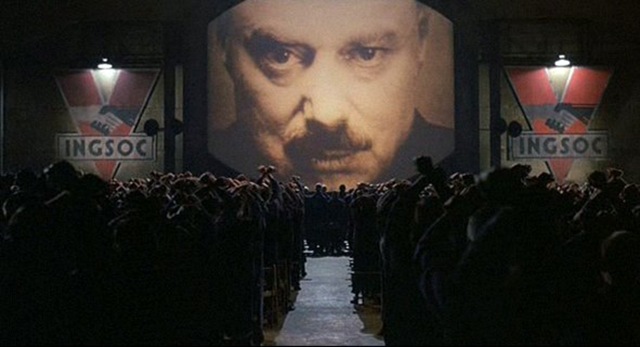
and graciously uses his photoshop skills to aid me in this practice. For example, the one time I wanted to point out that Dean Spanos was Stan Kroenke’s rent boy, he couldn’t wait to fire out five examples like this:
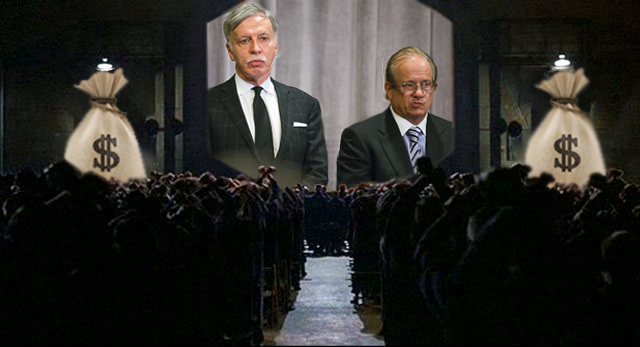
It’s always a big help when I can have the vision in my head translate into a graphic that says more than I even thought. Thanks as always, big man.
With that in mind, let’s get down to brass tacks.
Today’s theme: Sports Psychology
One thing that binds the Commentariat of [DFO] together is “sports fandom”. We all have teams we root for; we all have teams we root against; and we all have fan bases we loathe. A casual survey of the comments over the years indicates that of the third option, the fans most despised are Patriots, Eagles, and Packers. Anger, according to Seneca, might be “worthless even for war”, but that doesn’t mean it’s not always misplaced.
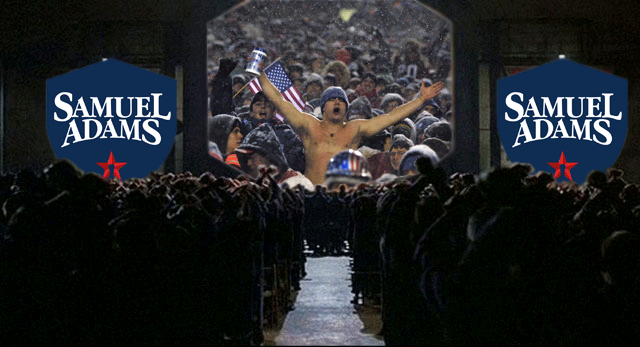
Seneca graciously outlined how to spot anger in his seminal (heh heh) work, “De Ira” (On Anger). “[Y]ou may know that they whom anger possesses are not sane, look at their appearance; for as there are distinct symptoms which mark madmen, such as a bold and menacing air,
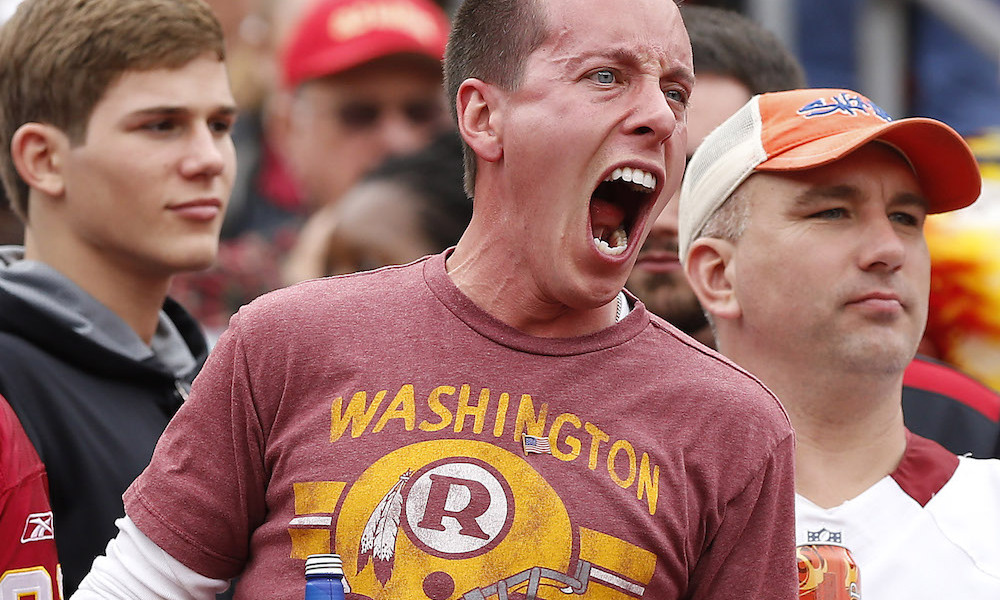
a gloomy brow, a stern face,
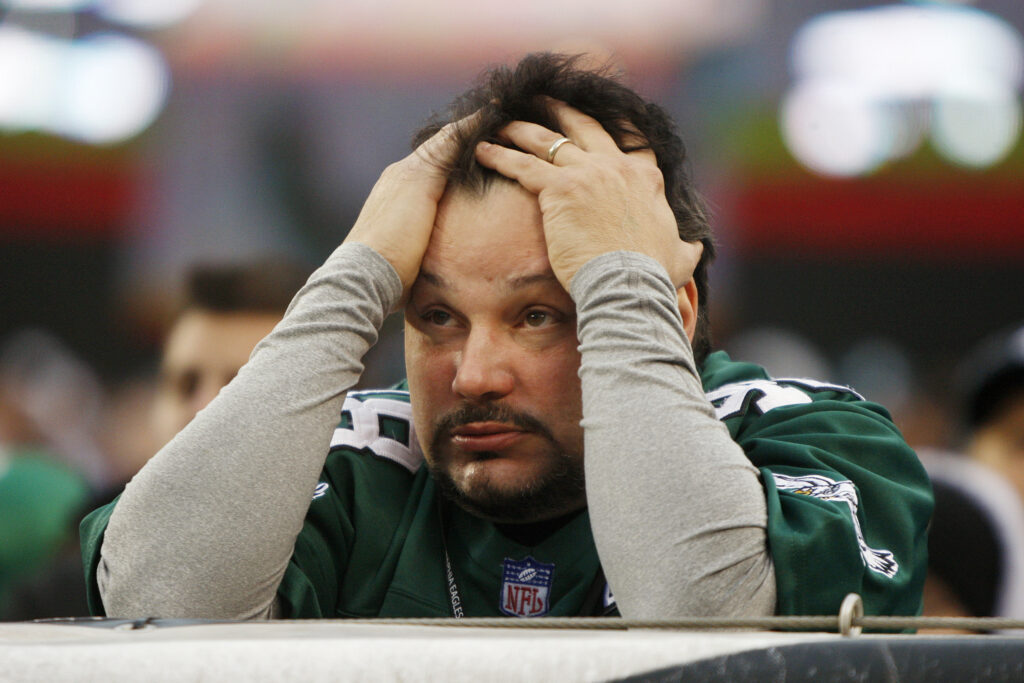
a hurried walk, restless hands, changed colour,
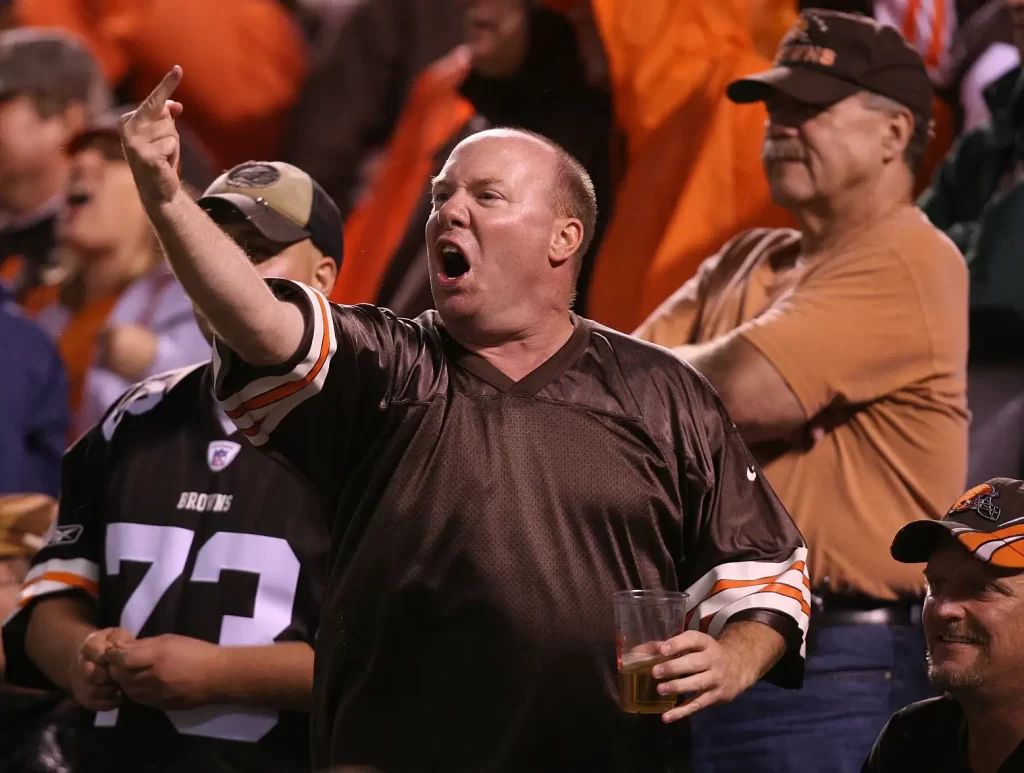
quick and strongly-drawn breathing; the signs of angry men, too, are the same: their eyes blaze and sparkle, their whole face is a deep red with the blood which boils up from the bottom of their heart,
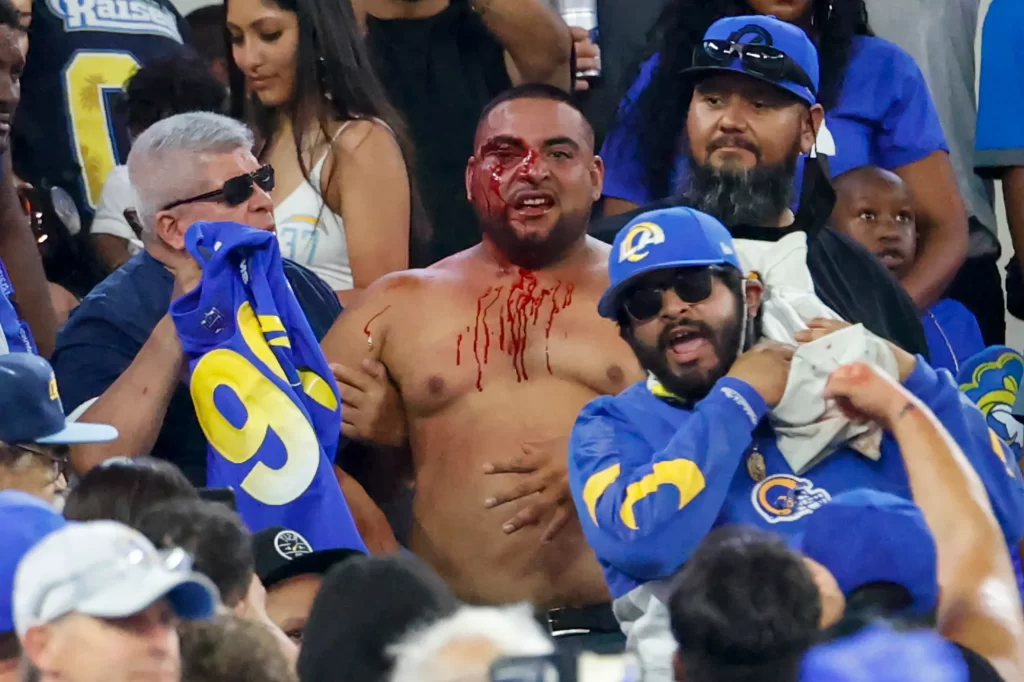
their lips quiver, their teeth are set, their hair bristles and stands on end, their breath is laboured and hissing, their joints crack as they twist them about, they groan, bellow, and burst into scarcely intelligible talk,
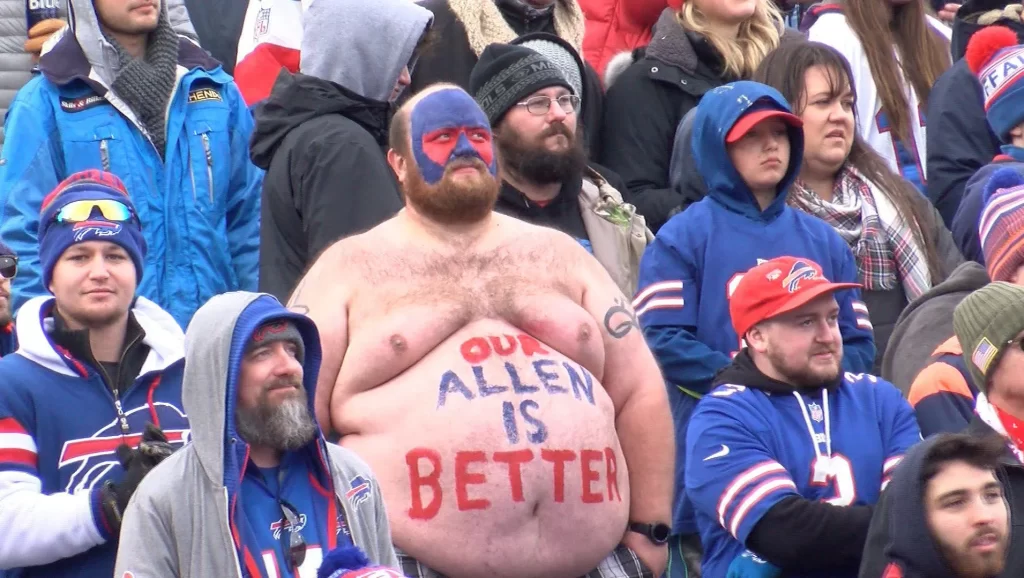
they often clap their hands together and stamp on the ground with their feet,
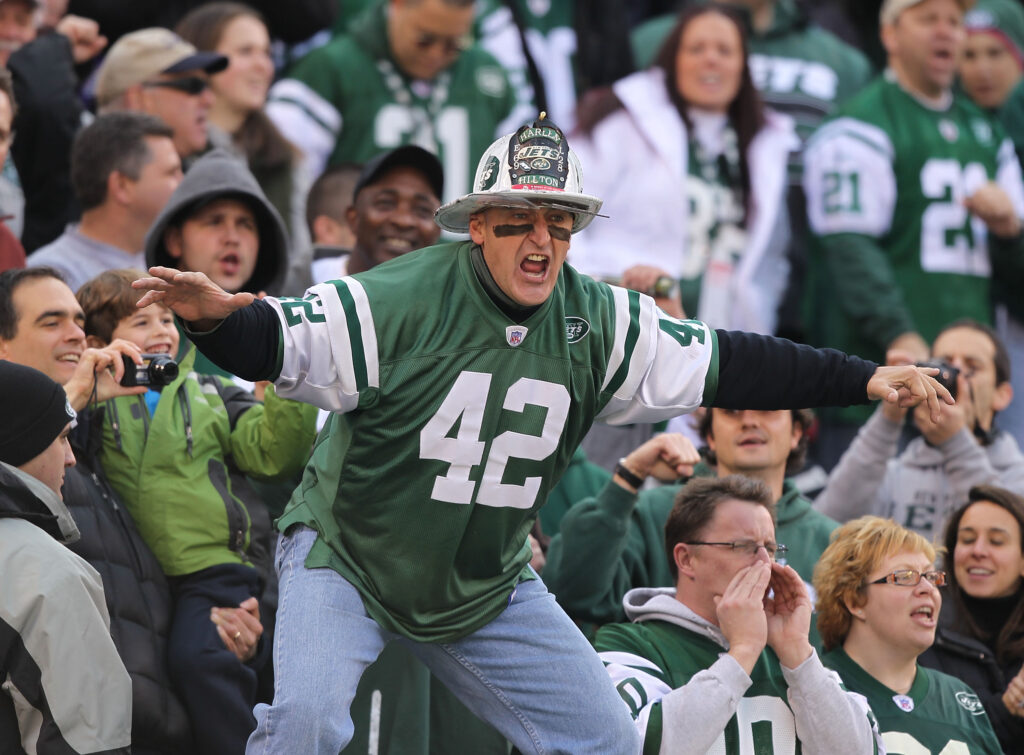
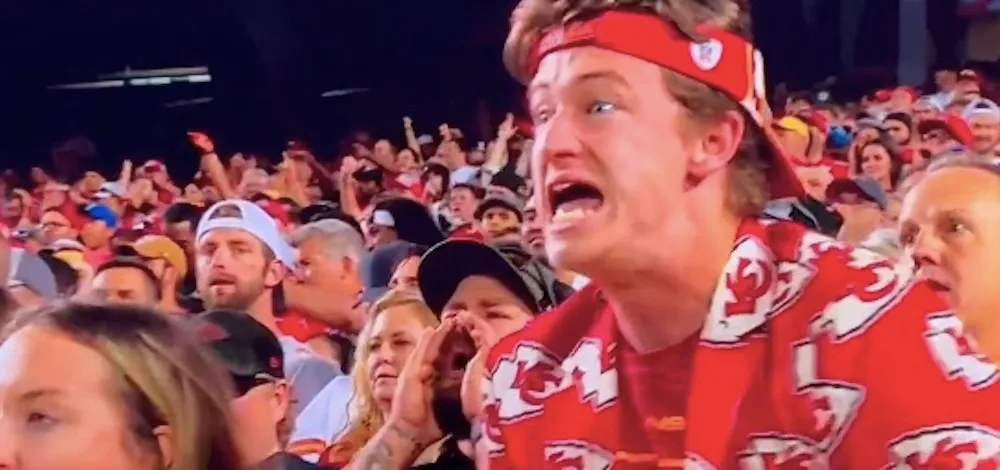
and their whole body is highly-strung and plays those tricks which mark a distraught mind, so as to furnish an ugly and shocking picture of self-perversion and excitement.”
In a modern context, the seminal (heh heh) study into sports fandom was done in 1976. It was called “Basking in Reflected Glory: Three (Football) Field Studies”, (BIRG) and was published in The Journal of Personality and Social Psychology. To make a long, academic story very short, this study, led by Robert Cialdini from Arizona State, looked into the phenomena of college students wearing sports apparel of their victorious team in order to enhance their own public image and/or gain popular association by showing alignment with the success of others. It was also where the notation of the pronoun “we” was associated with sports fandom, BIRG, and the positivity of wearing apparel to signify association with that non-individualized success. It is something that is noted across many types of association and connections.
“For example, a resident of California is less likely to brag to fellow Californians about the favorable climate than to geographically distant others, especially those who cannot claim similarly pleasant weather. It is our hypothesis, then, that the tendency to BIRG a positive source should occur most often when one’s connection with the source is stronger than the Observer’s.” (BIRG, 372)
It was something observed in the 1970s with souvenir shirts from various tourist locations that had years on them. Many older Commentists might remember the Hawaii shirts spoiled rich kids showed off in our youth after their Christmas vacations.
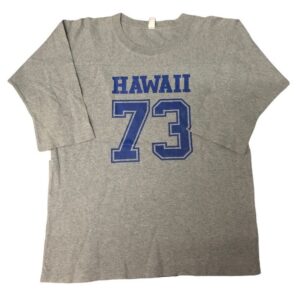
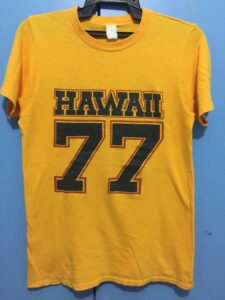
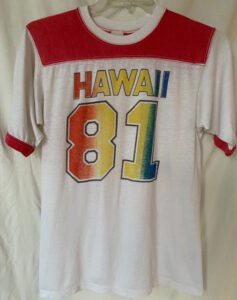
But it was clearly associated with sports. Umbro was a pioneer in this area, making replica kits for children starting in the 1950s. Seeing the market, the concept expanded to North American companies like Sears in the 1970s.
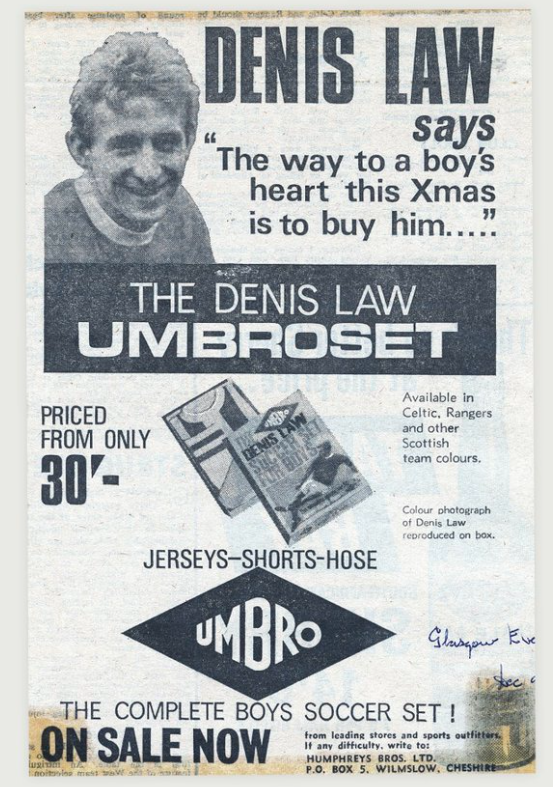
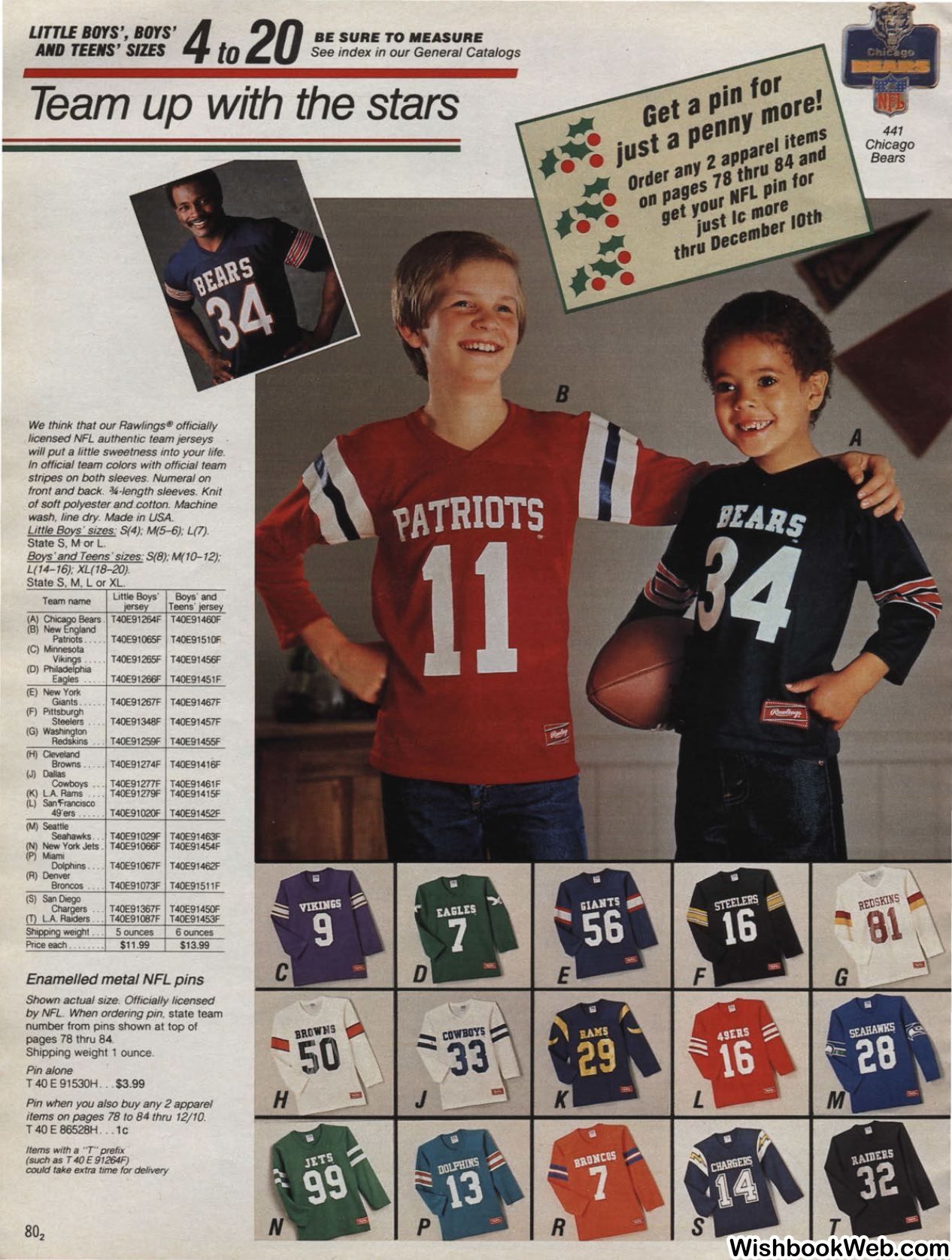
But in terms of the adult jersey market, there were no official production arrangements until the mid-80s. According to the site that used to be Sports Illustrated,
“In multiple ways, most (jerseys) came from far outside the tight boundaries that exist in today’s licensed world. NFL Properties was formed in 1963, MLB Properties in ’66, NHL in ’69 and NBA in ’82—all with the purpose of collecting royalties from licensed products. But none of those leagues appears to have anticipated or specifically policed the jersey market until much later. Through much of the ’70s and ’80s, that business was largely an unregulated free-for-all.”
The best example of this type of thing would be the intro to the “Mary Tyler Moore” show, where she’s washing her car in an unofficial Tarkenton jersey.
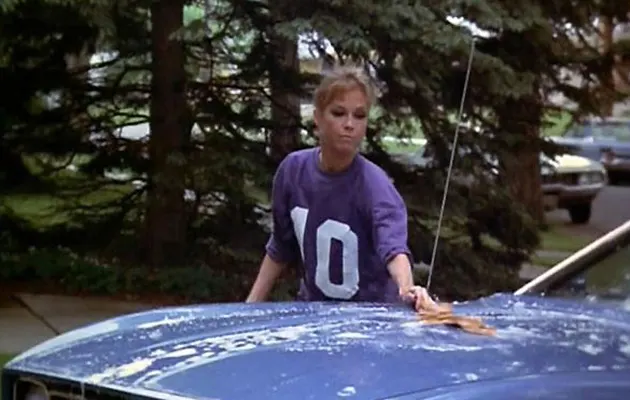
Today, that intro would cost the show at least $1000 per new episode for the rights, and modern marketing deals would get Tarkenton at least $10,000 a year for his association being referenced. As a comparison, think of “WKRP” reruns where they play generic music instead of the original songs. That’s to avoid paying royalties. By comparison, the Barenaked Ladies got paid $1,000,000 up front for “The Big Bang Theory” theme, plus they collect royalties to this day for every time the episode gets played. Given the popularity of the show in reruns, it’s estimated the band makes between $70-100,000 per year just off that theme. (Considering Sheldon, Penny & Leonard each make at least $10 million per year off reruns, on a revenue stream of $1.0 billion/year for the rights distributor, it’s not a lot for not a lot of work.)
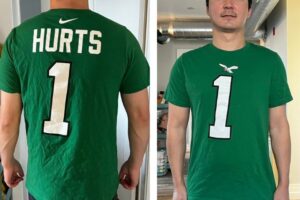
As sports fandom, and things like cards & collectibles, grew in popularity and price in the 1980s, teams and league began to crack down on unofficial sources and began licencing their own replica products for sale. The price of a jersey seems to have had an effect on increasing loyalty and fandom to the organization, as the rabid loyalty seems to rise with the increased amounts spent on replicas and associated products. This has, in most instances, “led the replica football [jersey] to become ‘common dress’.” This drives a result seen in the BIRG study, that “being merely associated with someone else’s success and failure had much the same effect as personal success and failure.” (BIRG, 374)
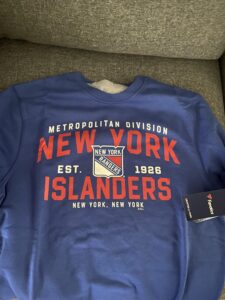
It’s clearly something the NFL banks on, based on all the non-jersey shit for sale at NFL Shop (“A Fanatics Experience!”)
In short,
“[t]he replica shirt has become a match-day uniform, a totem of football’s cultural hegemony – and symbolic of the all-enveloping consumerism of late-modern society: even traditionalists who decry the multi-sponsored, highly-priced current first-team strip will display their authenticity via retro-replica shirts.” (source)
Most research in the area comes from Europe, and more specifically England, because of the rise of hooliganism in the 1980s and how the replica jersey became both a badge of honour and a reason to target specific individuals or groups. But the studies do have their translations to the North American market, as evidenced by all the additional follow-ups to the BIRG that have populated my inbox since I downloaded that first one. (Seriously, the only company that sends me more daily emails is fucking Dominos.)
One useful example I read was the concept of “learning after loss”:
“Learning after loss usually occurs when athletes are able to objectively focus on the process that could be improved while keeping in mind their positive efforts. In an optimization approach the athlete would be taught, whenever possible, not to think about the loss, or things associated with the it immediately after the event. Rather, the focus should be on things unrelated to the defeat immediately after the event or positive things that were performed in the loss.” (Good Sport?, 2019)
The true actors, the athletes, have more to gain or lose because it is their actual employment, and thus have to divorce reason from passion when it comes to their job performance. They “have to” put it out of their heads, otherwise the moment will persist and colour their future participation.
The problem for fans is that that isn’t part of our training. We are taught that victory is everything, and because watching sports isn’t our job we are able to put whole emotions into it without needing to devote energies to engaging the lessons to be learned from defeat. This leads to a different paradigm, one that teams walk the tightrope between,
“These studies suggest a way to understand how the fortunes of affiliated sports teams can cause lavish displays of civic gratitude and pride in American cities, or “sports riots” in Europe, or murders in South America of players and referees whose actions had caused a home-team defeat. Through their simple connections with sports teams, the personal images of fans are at stake when their teams take the field. The team’s victories and defeats are reacted to as personal successes and failures.” (BIRG, 374)
In some ways, sports fandom is another example of the sunk cost fallacy. We paid the money or devoted the time to being passive participants in the action, and many feel they deserve satisfaction from their minimal participation because of what has been perceived to be personal sacrifices on behalf of that “team” endeavour. These parasocial relationships – one-sided relationships, where one person extends emotional energy, interest and time, and the other party, the persona, is completely unaware of the other’s existence – become all encompassing for individuals who have weak emotional bonds or attachments to actual people or groups. They may claim to want to give up after a particular setback or defeat, but their emotional weakness prevents them from doing so. They are unable to cut off this allegiance without a stable support mechanism in place to act as a replacement. It is why people persist in their fandom, despite all evidence pointing to the fact that giving it up would be a net emotional benefit to their lives. It is how people end up hating not just themselves, but the thing they profess to love.
So why am I bringing this up? Because we all hate something in the upcoming Super Bowl:
Some hate the Chiefs.
Some hate the Niners.
Some hate the spectacle.
Some hate the halftime show.
Some hate who is not in the halftime show.
But one thing is certain – All of us hate Roger Goodell.
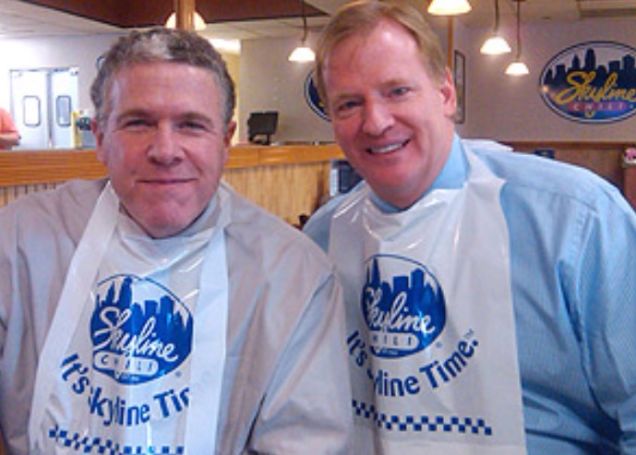
And there’s nothing wrong with that.
Tonight’s sports:
- NHL:
- Islanders vs. Leafs – 7:00pm – Sportsnet
- NBA:
- Mavericks vs. 76ers – 7:00pm – TSN
- Raptors vs. Pelicans – 8:00pm – Sportsnet1
- NCAA:
- Men’s:
- Miami vs. Virginia – 7:00pm – ESPN
- Kansas vs. Kansas State – 9:00pm – ESPN
- Women’s:
- Louisville vs. NC State – 7:00pm – ESPN2
- Men’s:
- WWE:
- Monday Night Raw – 8:00pm – USA, Sportsnet360
- It’s the first Raw/WWE event since they blew up the Cody Rhodes story and subbed in The Rock.
- All because the latest Vince McMahon scandal came out just as they were planning this year’s Wrestlemania in Philly, and the new owners of WWE wanted to change the narrative.
- It’s the first Raw/WWE event since they blew up the Cody Rhodes story and subbed in The Rock.
- Monday Night Raw – 8:00pm – USA, Sportsnet360
Any other week, that would be the object of my rage. But I’ll save it for another time – perhaps just before the battery-toss that will be Wrestlemania XL.















Leave a Reply
You must be logged in to post a comment.