![[DOOR FLIES OPEN]](https://doorfliesopen.com/wp-content/uploads/2015/08/DFO-MC-Patch.png)


That’s right, kids: another dip into the ever-pertinent world of Mechanical Watches!
Why are we discussing watches during this, the most verdant and bountiful period of the Major Sporting Calendar?
Because it’s my goddamned column/blogpost/braindump
You don’t like it? Write your own!
The Bills have lost two in a row and looked like shit doing it. The Blue Jays have lost two in a row and have looked like shit doing it. The Sabres have lost THREE in a row and looked like they aren’t even playing the same sport as the other guys on the ice.
And we have two elder medical situations that mean I can’t work up my normal levels of snark for the rest of these goddawful sports leagues.
So, topics for this week were down to 1. Best Transformers (see below) or 2. Fun Watches. We’ll start with the latter, specifically Fun Microbrands.
Reminder: if you want an incredible interactive explanation of how they work, building up from first principles, check this out.
WHAT IS A MICROBRAND?
Fuck if anyone actually knows. It’s a broad categorization that often has as much to do with Vibes as any actual threshold of age, size, volume or sales.
Hell, watch enthusiasts can’t even agree on whether those vibes are positive or not. For some, “microbrand” means cheap, fly-by-night or otherwise distasteful. For others, its enthusiast-founded companies that can experiment and innovate because they are not part of a faceless conglomerate or ossified traditionalist culture.
Both can be right. Like any complex ecosystem, I find it counterproductive to generalize positive or negative traits.
There are notable exceptions, but there are a couple general characteristics that most microbrands have:
- Not part of a larger conglomerate. Most well-known mechanical watch brands are all owned by a relatively small number of parent/holding companies: Swatch, Richemont, LVMH (a.k.a. Louis Vuitton), Kering, Seiko, and Citizen. They use brands like General Motors: they may run with more or less independence, but there is often a lot of sharing of components and some broad trends. See a nice summary here.
- Relatively modest staffing and sales volume. That’s the “micro” part.
- Founded within the last 30ish years. There are a number of famous independently-owned watch-makers who don’t make many watches but would never be considered “microbrands” because they have history and tradition stretching back a century or three.
- Are structured entirely or primarily on a direct-to-consumer sales model, particularly via the internet. This is intimately tied to #3- before reliable e-commerce was a Thing, you had to convince existing physical stores to carry your wares or open up your own storefront. Since the number of watch enthusiasts within range of a given store is usually limited, that made it hard for a new decent brand to get off the ground. By tapping into a global audience, microbrands can exploit more specific niches.
- GENERALLY use off-the-shelf or slightly modified movements from the large movement manufacturers (ETA, Sellita, Miyota or occasionally Seiko). A few microbrands do all their own manufacturing (other than movements) in-house. Most do their own design work and then outsource component manufacturer (case, strap/bracelet, etc.) to greater or lesser extents. But very very few have the infrastructure and expertise needed to design and make their own movements, even fewer can spare the time and effort, and none can do it while keeping prices at a reasonable level. This actually helps the customer as well: in addition to keeping prices reasonable, having a few common movements makes it waaaay easier to repair or replace. I bought a watch from a tiny company in Norway, but I can get it serviced almost anywhere because it has a common movement.
- OFTEN specialize in one type of watch, either as a brand identity or because they can’t afford to manufacture a large number of models.
FAVORITE MICROBRANDS:
I don’t have watches from a lot of these, but they consistently turn out high quality, affordable, interesting watches:
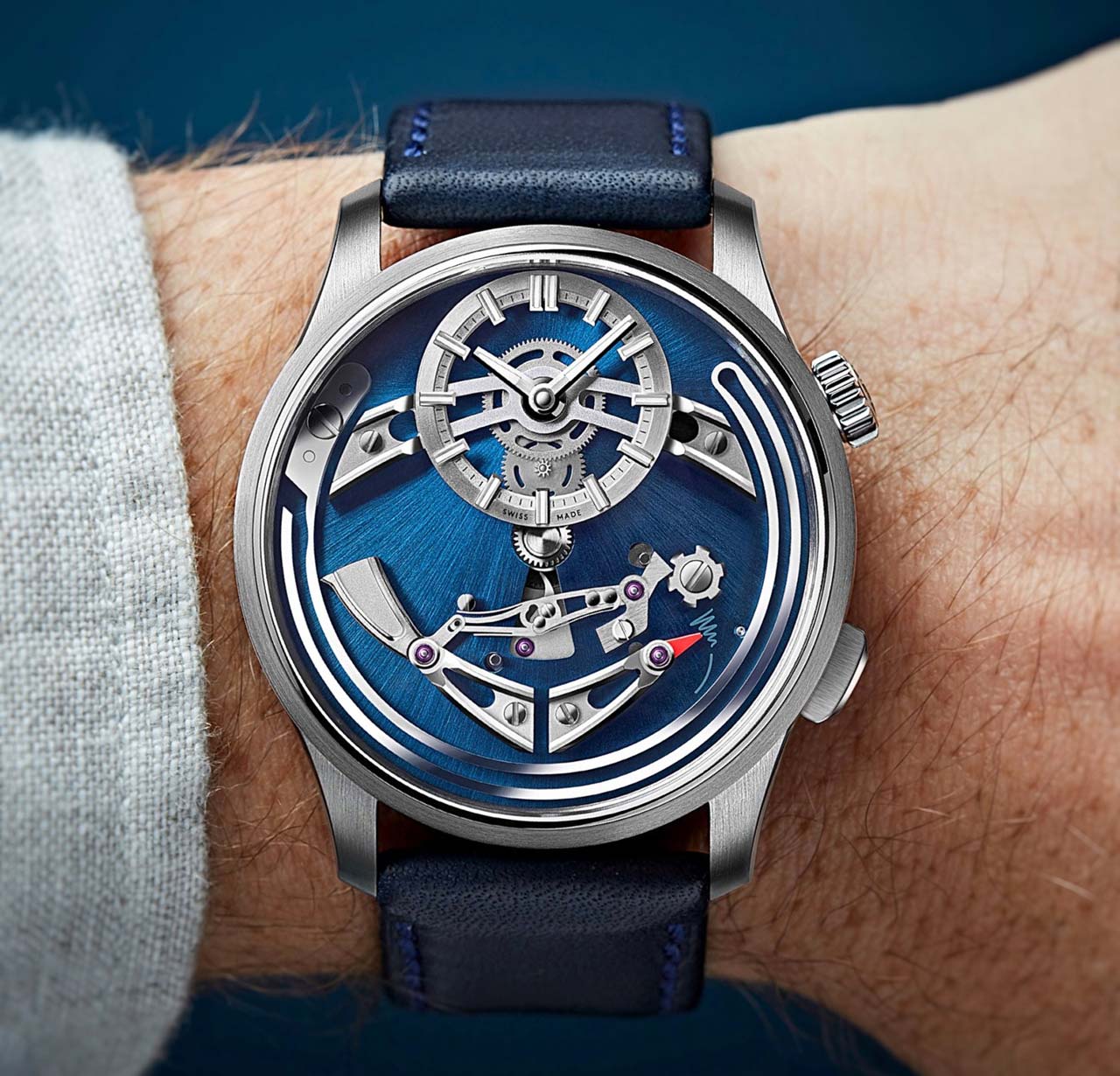
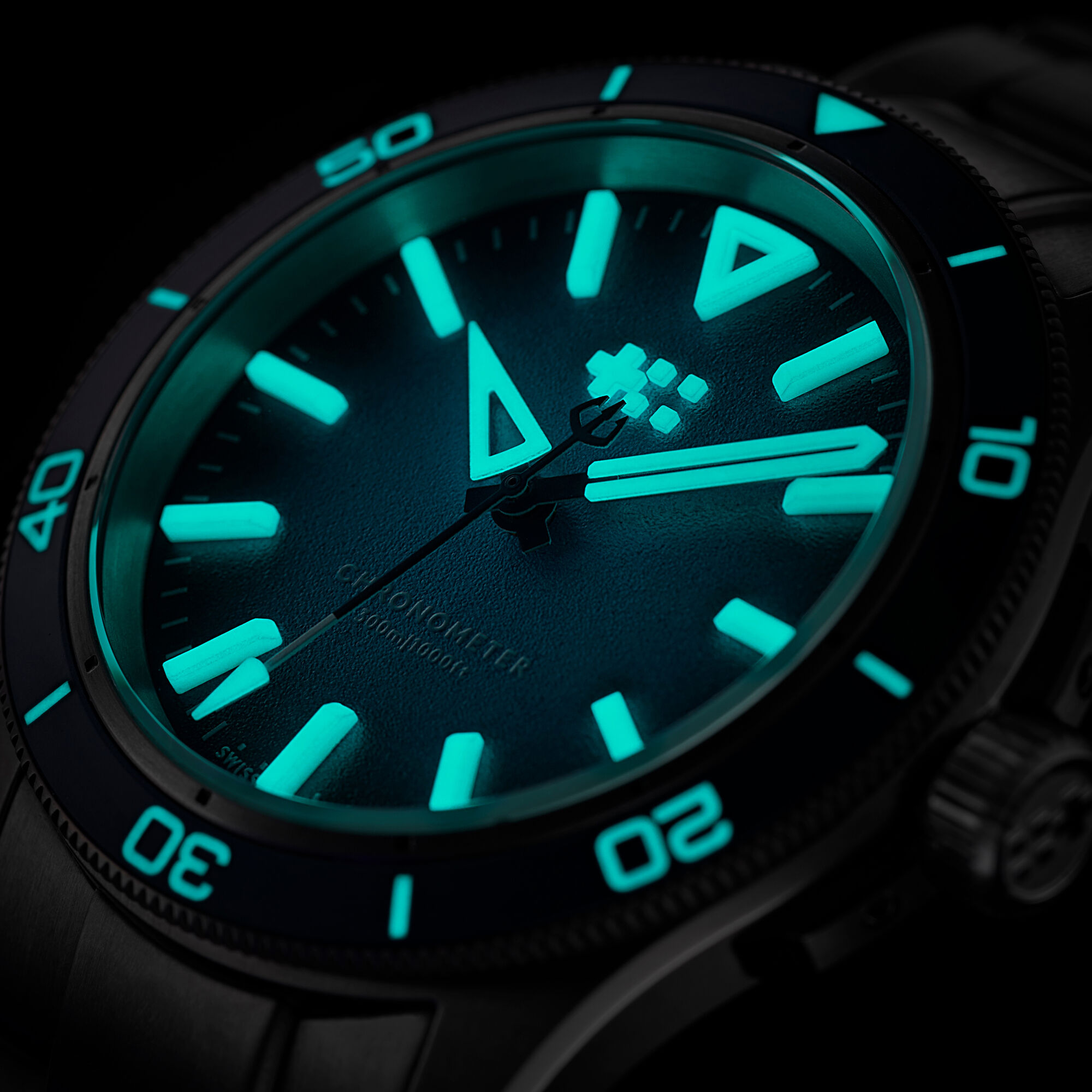
Christopher Ward: the type-specimen for microbrands, to the extent they often are no longer considered a microbrand. British owned and designed, Swiss manufactured. Consistently high quality at shockingly reasonable prices. They tend to innovate in small ways- interesting designs but never weird or shocking. Well executed, always in good taste.
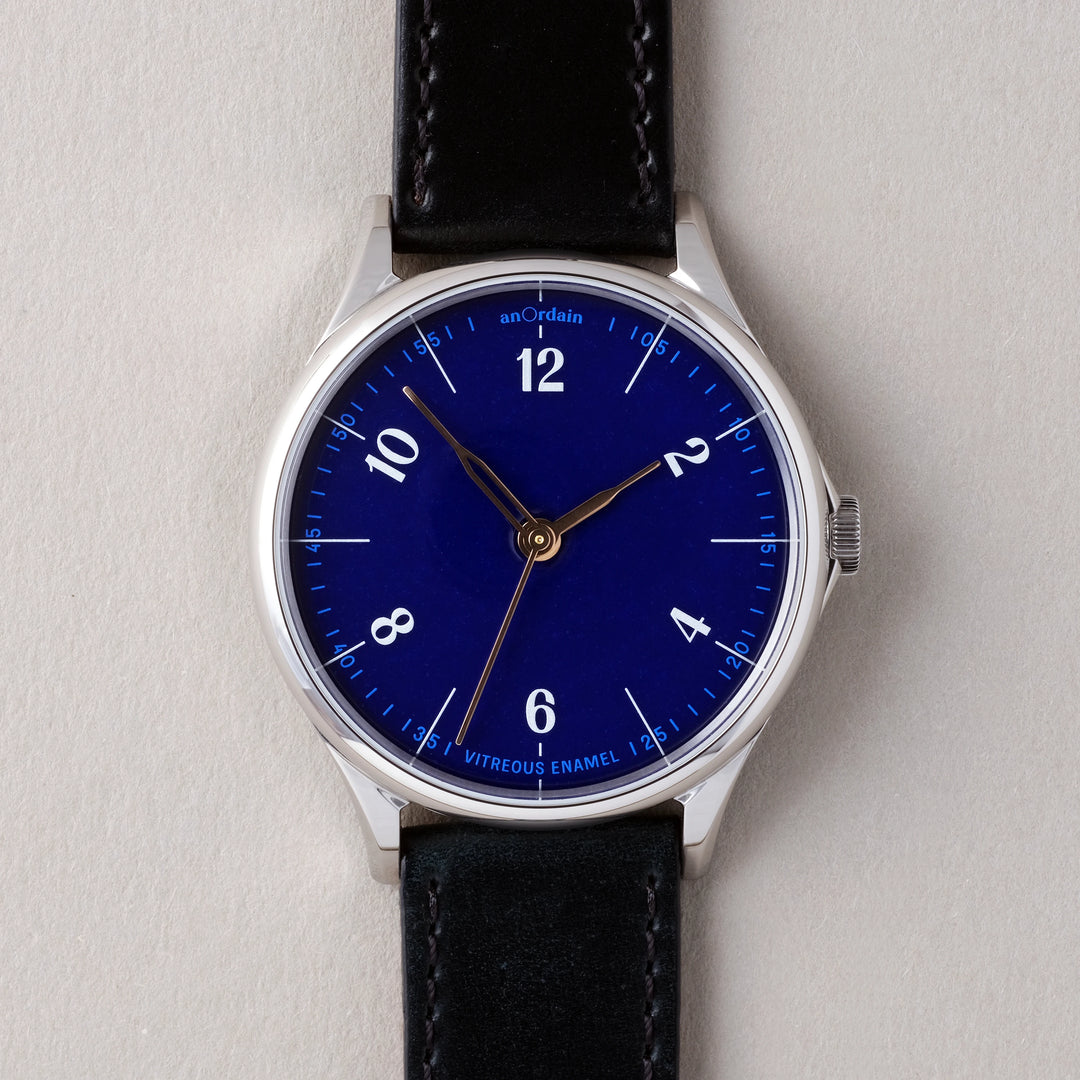
AnOrdain: Scottish watchmakers who made their name with incredible enamel dials with color so deep you feel like you are falling into them. I got one very early in the company’s existence, and it remains my very favorite. Due to the difficulty in producing the dials, there is currently a three-plus year wait.
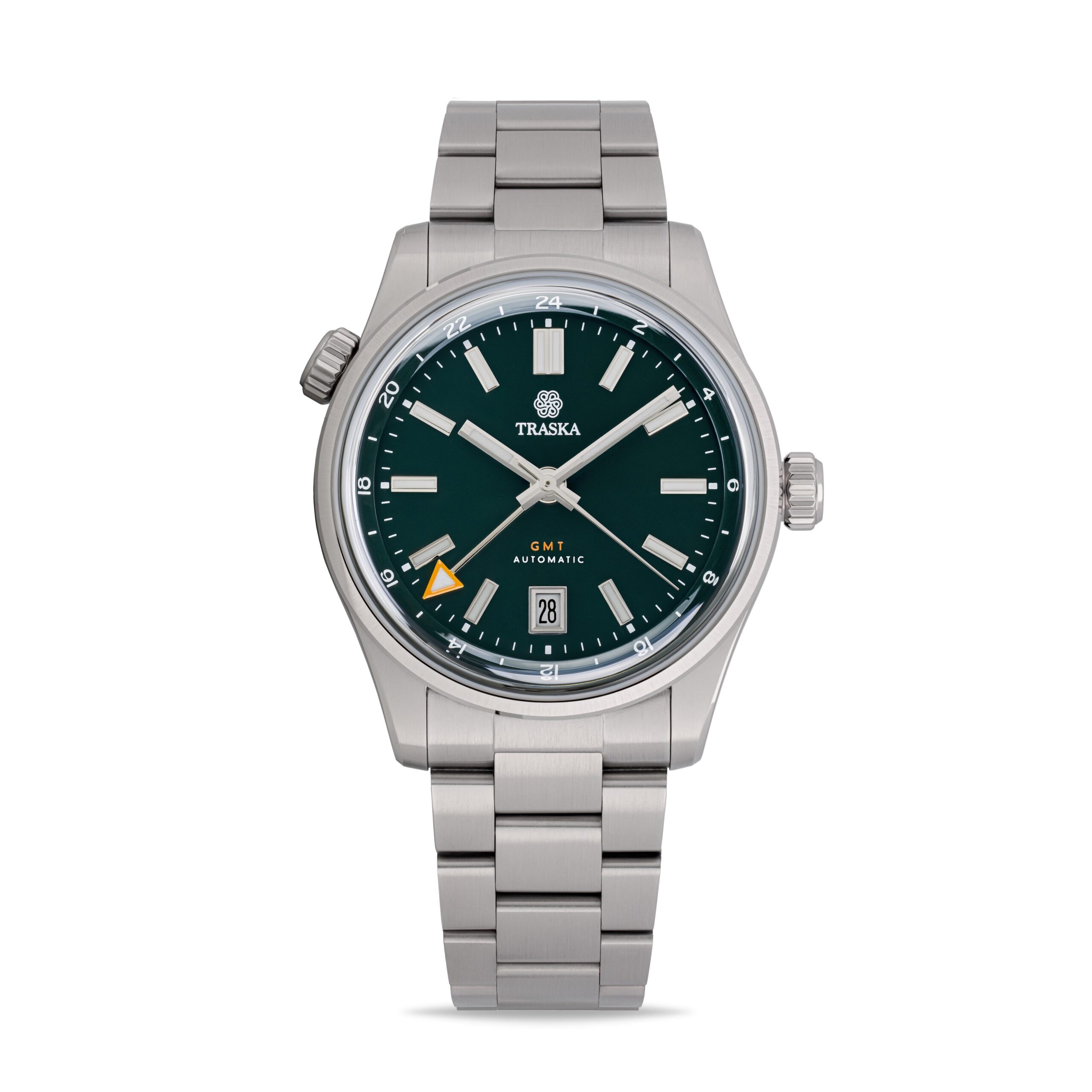
Traska: American- basically a dude named Jon and a couple other people. Amazing fit and finish- i and a favorite of folks who like smaller diameter watches. Plus I love the marketing: it’s basically “Hey, we made a thing. We think it’s cool. We hope you do too.”
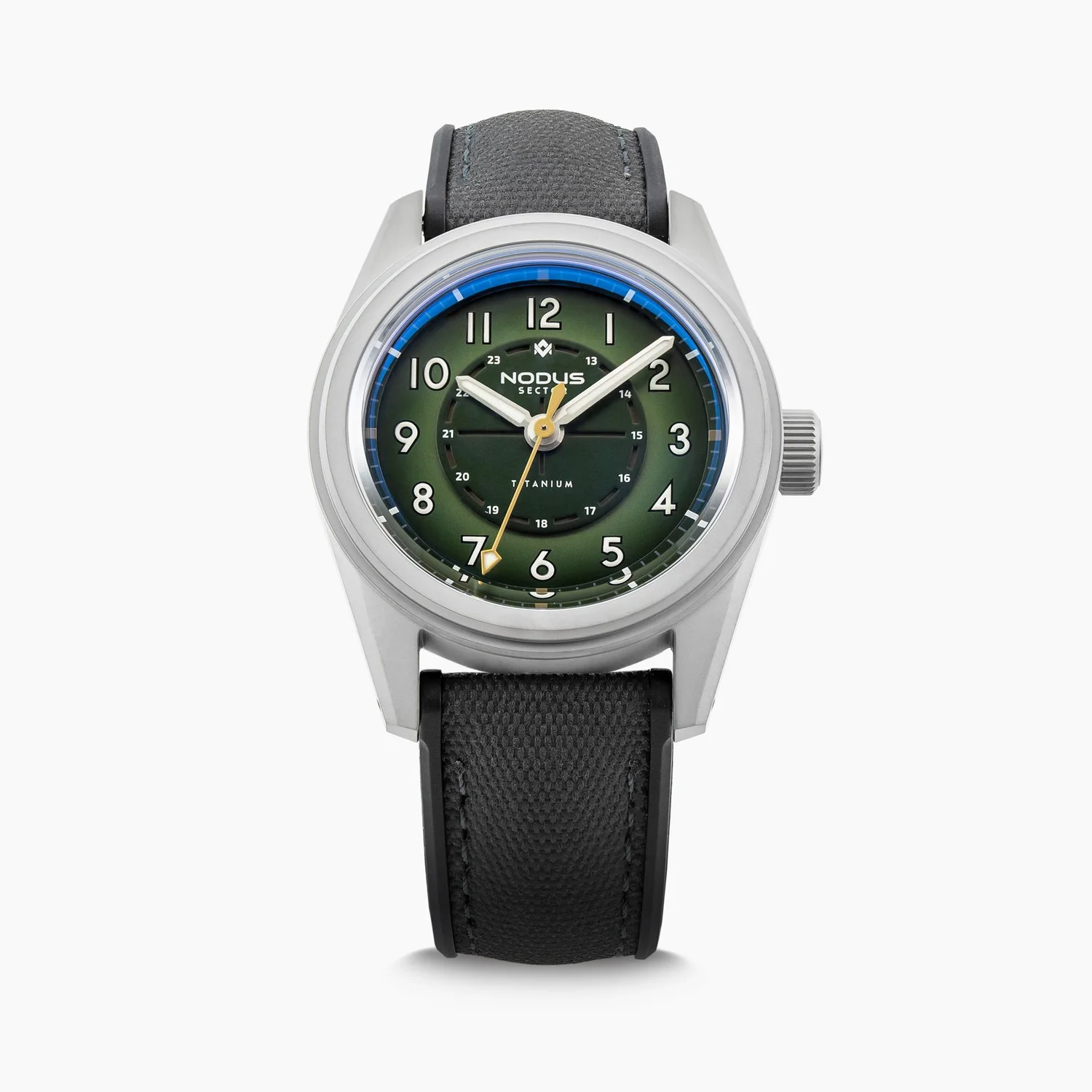
Nodus: Los Angeles-based. Also obsessed with build quality. A bit less staid than Traska, veering more into sport/field watch territory. Their Sector series is amazing, and they are known almost as much for their microadjustable bracelets as for their watches- other watch companies come to them for the tech.
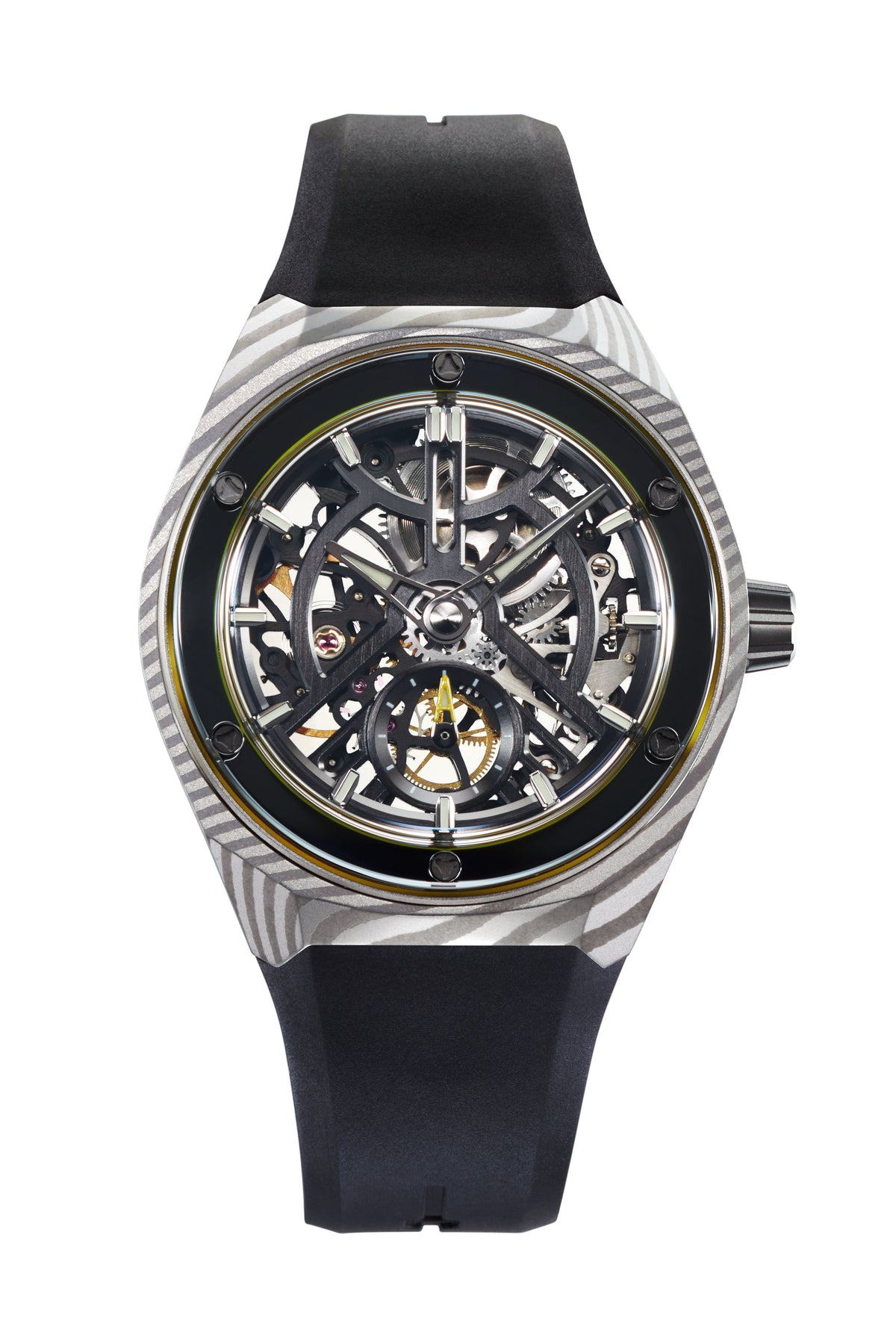
Zelos: the weirdo mad scientists of the list. They offer a lot of exotic materials (meteorite dials, layered-titanium cases, etc.) and tend to include high-grade movements as well.
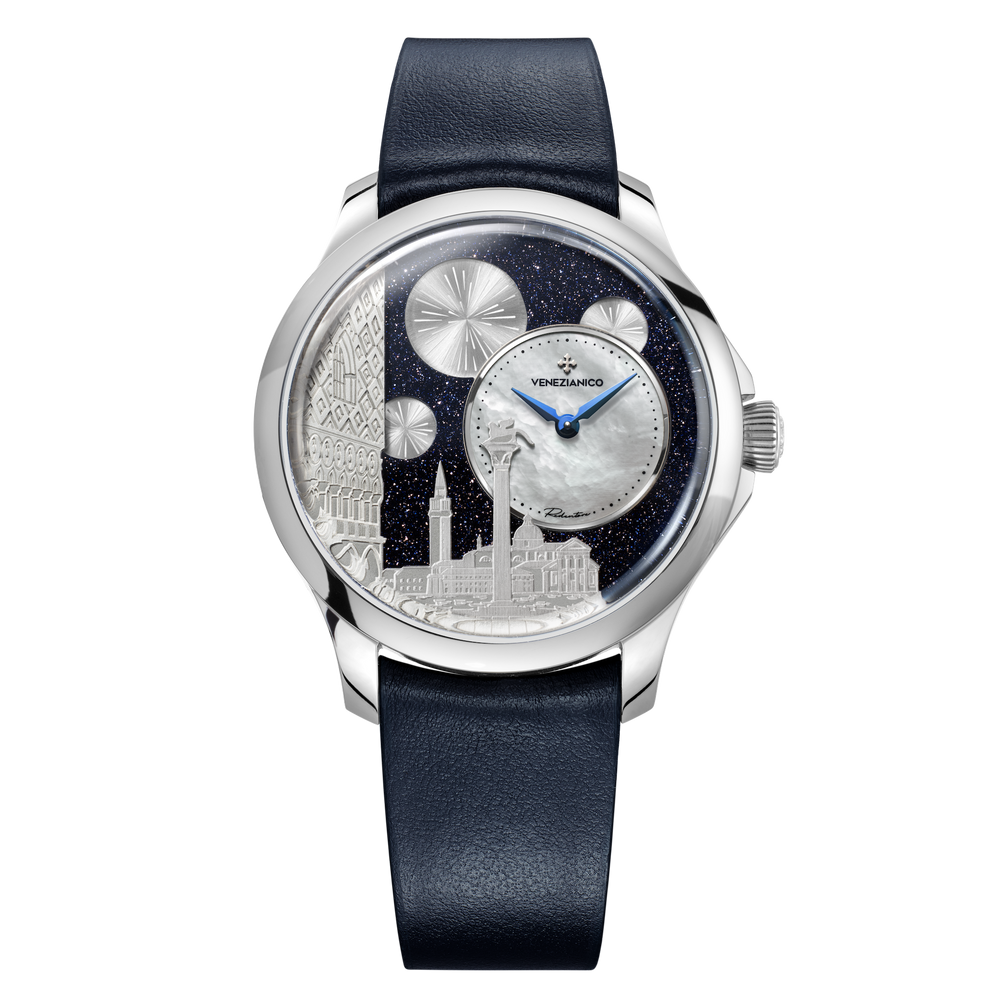
VENEZIANICO: In come the Italians! They produce a wide variety of designs, from divers in interesting materials (tungsten bezel, titanium, bronze-ish alloy) to genuine works of art depict buildings in Venice. I would say their hit/miss ratio is a little lower than some of the others, but they also try a lot more things.

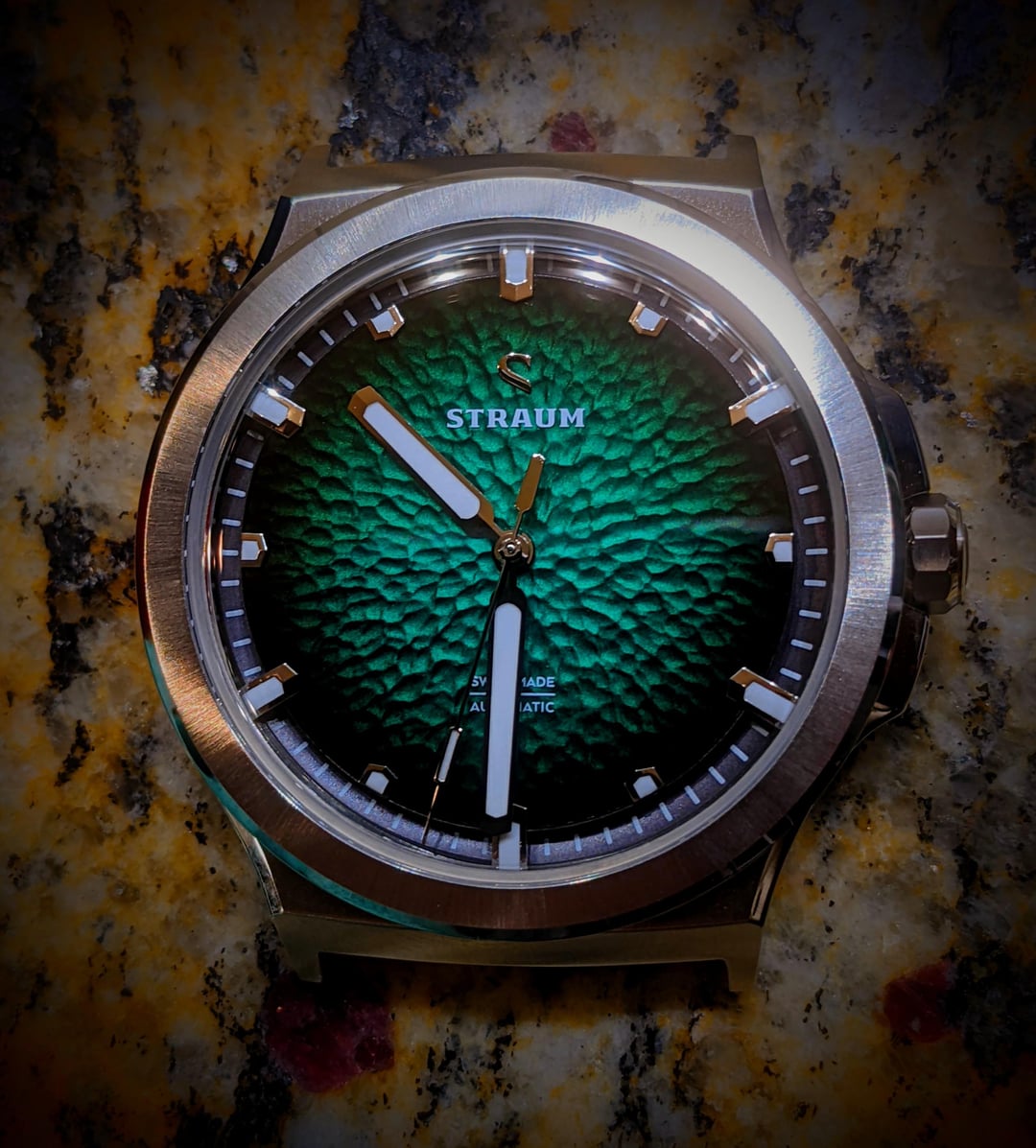
Straum: the Norwegians. Their schtick is their naturalistic dials, using textures to create genuinely evocative, beautiful dials.
NEXT WEEK: Dive Watches!
Did I miss your favorite microbrand? COMMENT UP, BITCHES!

















Leave a Reply
You must be logged in to post a comment.